
Posted on

Seven Ways to Keep Your Pets Calm in South Devon During Fireworks Season

How to Keep Pets Calm This Fireworks Weekend

We share seven tips from national pet charities to keep pets from suffering stress this fireworks season in this two-minute read.

At Chamberlains, we love pets.

And we get to meet plenty of our clients’ furry friends during our daily work across South Devon.

According to a 2018 survey by builders, McCarthy Stone, pets made people a lot happier about their everyday lives.

45% of the people they polled said their pet is the main reason they exercise, and a whopping 31% said having a pet gives them a purpose in life.

So, now that fireworks season is back with a bang and a whoosh and frequent flashes, we thought we’d share seven simple steps you can take to help your beloved pets avoid anxiety this weekend.

Below are four tips from the world-renowned Battersea Dogs Home, followed by three more ideas from the CATS Protection charity.

  • Stay indoors. Don’t walk your dog in the evening during fireworks weekend.
  • Draw the curtains. Unexpected flashes can cause dogs anxiety as much as random bangs, so close the curtains.
  • Give your dog space. Confining your dog in one room during the evening can cause extra anxiety for them. Instead, let them wander indoors as much as they want.
  • Distract them with treats. Long-lasting chews and bones are a great way to keep their minds off what’s happening outside.
  • Stay calm. Instead of overly comforting an anxious cat, keep cool – your cat is more likely to feel relaxed if you are.
  • Create a safe space for your cat. A cardboard box lined with blankets is ideal. However, cats feel safer higher up – so place the box on a sturdy shelf if possible.
  • Play music. Cats and loud noises don’t necessarily mix. Try keeping a radio or TV on. This distraction can lessen outside noise and help if your cat gets scared from the sudden sounds of fireworks. Nina Simone’s Feline Good is a cat classic (sorry, we couldn’t resist).

More helpful information about keeping pets safe and sound can be accessed via www.cats.org.uk and www.battersea.org.uk.

Although this article features advice for dogs and cats, the basic care principles are the same for many of our beloved pets.

We hope you enjoy the fireworks this weekend and that your pets don’t even notice them.

Thanks for reading.

 

Posted on

How to Make Money from Your Clutter in South Devon

Top Tips for Selling Your Clutter Online in South Devon

In this two-minute read, we give you our top tips for selling your unwanted items online. 

Let’s face it, as a nation, we like a lot of stuff. Whether we’re panic buying loo rolls or ordering fashion bargains online, sometimes all the ‘stuff’ can take up valuable space in our homes

With Chrimbo within touching distance, there’s no better time to declutter and make space for all those gifts. Plus, by selling things on, you’re not only making money but you’re doing your bit for the environment and sending less to landfill. Win-win!

Plus, if you are thinking of selling your home then decluttering it is one of the best pieces of advice we’d share with you.

Picture perfect

Not only should you take numerous pics of your item from different angles, but you also need to make sure the lighting is good and the background is clear. Give your potential buyer the best view of your item to make sure it sells. No one wants to see your messy floor or leopard print bedsheets so go with a solid colour background.

Be realistic

“This time next year Rodders, we’ll be millionaires.” Remember that golden line from everyone’s favourite wheeler dealer? Well, no matter how much you love Del Boy, selling clutter online probably won’t make you a million quid, it should however give you some extra pennies.

Set your prices sensibly: too high and you won’t get any interest, too low and it’s more effort than it’s worth. Also, beware of postage costs. Some things are so big you’ll be paying more in postage than the actual selling price. Try and get the buyer to pay for delivery, but remember, this may also put some people off.

Tell the truth

Don’t be tempted to exaggerate the quality of what you’re selling. If something is scratched or chipped, be honest. There’s nothing more annoying than dealing with returns. If they know exactly what they’re getting, there’ll be less chance of complaints. Include a picture of the fault and offer a detailed description of any issues.

Research

Newsflash: eBay isn’t the only auction/selling site around. Yes, it’s easy to use, but it also takes a big percentage of your selling price so investigate other options. There are dedicated sites for fashion (Vinted and Depop), designer items, books and so on. In some cases, you can sell unwanted items such as CDs and DVDs to online retailers in exchange for vouchers.

Face to face

Got a Facebook account? Check out Facebook Marketplace. It’s free to use and you sell items through your profile. While most sales are agreed online they often take place face to face. Be prepared to ask for cash and always meet the buyer in a public place (safety first).

If you’re looking to sell your home after a successful declutter, give us a call at Chamberlains on 01626 365055 and let us help.

Posted on

How to Winter-Proof Your South Devon Rental Property

Rental property

How Landlords in South Devon Can Protect Their Properties from Winter Woes

In this two-minute read, we look at how landlords in South Devon can make sure their rental investments stand up to the challenges of winter weather.

With winter officially only a few weeks away, the time is now ideal for landlords to take steps to ensure their properties are prepared for whatever December to February serves up.

By putting a winter property maintenance plan in place, you’re setting yourself and your tenants up for a trouble-free winter period.

Begin with boilers – The best time to service a boiler is in September, ahead of it being plunged into constant action in the months that follow. The second-best time to service a boiler is right NOW. By keeping on top of boiler and heating maintenance, you’ll save a lot of money and avoid hassle in the long run.

Remember your radiators – Bleeding your radiators is a simple, yet effective way of ensuring they are working as well as they should be.

Look at lagging – Frozen pipes that burst are the stuff of nightmares for any serious landlord. So, take the time to ensure pipes are wrapped in lagging to reduce the risks of freezing and potentially bursting.

Go to guttering – Don’t wait until the weather turns before you clean out your gutters. Blockages can build up over time and slowly cause unseen damage.

Insulate everywhere – Insulating a loft is an excellent way of keeping the warmth in and the heating bills lower. But don’t forget that even insulating against draughts can be a small way of making a big difference to how warm a property feels.

Fix that fence – The stronger seasonal winds love claiming a poorly maintained fence as one of its victims. So, act now to ensure any weak spots in your fencing are ready to stand up to whatever the winter winds throw at it.

Check it out – If your property is vacant for any sustained period over the winter months, diarise weekly or fortnightly visits to it to keep an eye on things. If you can’t do this, then it’s the kind of thing a good, local letting agent can do for you.

Your rental property is an asset, and having happy tenants is a key part of making the most of it, so take the time and spend the money on creating a safe, comfortable home for them this winter.

And don’t worry if you’re not a Handy Andy or a DIY Diana. At Chamberlains, we have good working relationships with maintenance people who can do all the work for you. Please do get in touch to discuss any aspect of property rentals. 

Posted on

The Pros and Cons of Investing in Property with a Friend

investing

The Perks and Pitfalls of Sharing Landlord Duties with a Friend

In this two-minute read, we ask if it’s wise to buy a rental property in South Devon with a buddy.

Purchasing a buy-to-let property with a friend is an appealing prospect – on paper, at least.

But it’s important to carefully weigh up the risks and rewards before taking the plunge.

Here’s a list of the pros and cons of becoming a landlord with a friend.

The pros

  • The role of landlord comes with a plethora of responsibilities. Sharing these duties with a trusted friend will lighten the load.
  • Your co-investor may have a different skill set to you, meaning you can play to your strengths while they play to theirs.
  • Most lenders require larger deposits for buy-to-let mortgages. Splitting your investment means you don’t have to pay as much cash up front.

The cons

  • You never really know someone until you’ve gone into business with them. If the two of you disagree on how to manage the property, the friendship could suffer.
  • If your tenant falls into arrears, as landlords, you’ll have to stump up the cash. However, if your investor buddy can’t pay their share for whatever reason, you’re liable for the shortfall.
  • You might be on the same page as your friend right now, but people’s circumstances change. Further down the line, your friend may decide that they want to sell up when you don’t, or vice versa.

Tips

If you’re still keen to invest with a friend, here’s how to mitigate some of the risks.

Get a good lawyer 

You need a legally binding agreement that states:

  • How much each party is investing
  • The ownership split
  • Responsibilities regarding bills and maintenance
  • What happens if one or both parties want to sell
  • A dispute resolution mechanism should you disagree on an issue

Get a will

In some cases of co-ownership, if one party dies, the property automatically goes to the other person unless otherwise stated in a will.

Don’t feel pressured

If your friend thinks a formal agreement is unnecessary – they may see it as a sign that you don’t trust them – politely, but firmly, pull out of the deal.

Without the right paperwork in place, you risk getting caught up in a protracted and messy dispute later on.

Going ahead based on a wink and a handshake could cost you the friendship and much more if things don’t turn out according to plan.

For more advice on investing in the buy-to-let market, contact us here at Chamberlains.


Posted on

How to Beat the Blues this Winter

winter blues

How to Make the Most of Winter (Instead of Hiding Under the Duvet)

In this two-minute read, we look at how to ward off Seasonal Affective Disorder (SAD).

Are you struggling with the dark days and long nights that kick in at this time of year? Don’t worry – you’re not alone.

Millions of Brits experience a dip in mood during the colder, greyer months, often referred to as the ‘Winter Blues’.

Some go on to develop Seasonal Affective Disorder (SAD) – a type of winter depression that seriously impacts everyday life.

Symptoms include lethargy, mood swings, oversleeping, and appetite changes (especially a craving for carbs).

Here are five ways to fight off the blues over the coming months.

  • Bask in the light

As SAD is closely linked to a lack of exposure to sunlight, make sure you spend time outdoors every day (especially when the sun is out). Maximise the light in your home and workplace by opening curtains and blinds during the day.

  • Eat well

Avoid calorie-laden carbs – they’ll make you want to snooze on the sofa. Instead, eat oily fish, eggs, mushrooms, and red meat as they contain Vitamin D, a nutrient we usually get from exposure to the sun.

  • Exercise

Exercise produces feel-good endorphins and improves your sleep. Enlist a friend to be your winter exercise buddy to keep you motivated.

  • Live like a Scandi

Embrace the Nordic concept of Friluftsliv, which means ‘outdoor living’. This involves exercising and socialising outside in the colder months. If you have outdoor space at your home, install a fire pit, chiminea or outdoor heating, and fairy lights or lanterns. Then invite some friends over for an alfresco tipple

  • Take the plunge 

If you’re feeling brave, why not try cold water swimming? Researchers believe it can boost your mood, sleep, and circulation. Coldwater newbies should take things slowly and always swim with someone else and in a safe location.

And if you’re still struggling

Don’t be afraid or embarrassed to speak to your GP if you feel like things are getting on top of you. They may suggest getting a light box (a special lamp that emits bright light), counselling, or prescribe medication.

From all of us here at Chamberlains take care of yourself and thanks for reading.

Posted on

The Reality Behind Rental Property False Economies

Lettings

Why South Devon Landlords Could Be Taking Expensive Shortcuts

In this two-minute read, we look at the false economies many landlords in South Devon are making regarding their rental properties.

Many of us realise doing a bit of DIY can save you money. But it comes with a caveat that you must know what you’re doing first.

For every successful bit of hallway decorating, there are dozens of tales of lopsided shelves, incorrectly fitted taps, and a whole host of other DIY disasters and fails.

And this risky approach doesn’t just apply to home DIY – we often see it when a landlord tries to do everything themselves.

Here are five of the most common mistakes landlords make when they think about the pennies but take their eyes off the pounds.

  • Marketing matters – There’s much more to marketing a rental than simply slapping it on Facebook or Gumtree and hoping for the best. It’s nigh on impossible to achieve a property’s optimum rent by using this approach.


  • Poorly referenced tenants – An excellent letting agent will carry out all the proper referencing needed to ensure you get a good, reliable tenant. Skipping this process and ‘going with your gut instinct’ can be hugely expensive further down the line if the tenancy turns troublesome.


  • Maintenance mistakes – The most significant error landlords make when it comes to maintenance is not having money set aside in their budget to keep their property in good condition. A general rule of thumb is to put away £100-150 per month towards maintenance and general upkeep.


  • Cheap is not cheerful – Many landlords make false economies by scrimping on things like flooring, windows, and taps and fittings, only to have to replace them more quickly than they would have if they invested a little more in the first place.


  • Temperamental tradespeople – The nightmare scenario for many landlords. A call comes in on a Sunday evening (usually when you’re on holiday) from a tenant telling you the boiler has packed up. DIY landlords often rely on their own trade contacts in this situation, which can be great but is often not. However, a good letting agency has access to a pool of tried and trusted tradespeople who fix things fast and professionally.

Of course, we understand that you want to get the best possible returns from your rental investment. But experience has taught us that using a letting agent to find tenants and manage your property is money well spent.

We’d be delighted to offer a free review of your rental property/properties and highlight where you can save money but also protect your assets.

Call us on 01626 365055 or email rentals@chamberlains.co.


Posted on

Top Tips for Choosing an Estate Agent

How to Choose an Estate Agent to Sell Your South Devon Home

In this two-minute read, we look at how to select the best estate agent to sell your home.

When it comes to selling a property, it pays to do your research before choosing an agent to manage the sale.

Now you might think that all agents are much of a muchness (they all flog homes, don’t they?), but you’d be wrong!

A great agent won’t just sell your property; they’ll sell it for the highest possible price (which is the whole point, obviously).

A mediocre agent will go through the motions and probably secure a sale – it is a seller’s market after all – but won’t go the extra mile to get the absolute best deal.

Given that you’ll most likely only sell a property once or twice in your life, why wouldn’t you go with someone who will secure the best transaction for you?

Here are six things to look for in a good estate agent.

Track record. Go with an agent who has a good local reputation and experience selling properties like yours. And don’t just take the agent’s word for it; a good agent will have client testimonials.

Fees and costs. It may be tempting to go with the agent with the lowest fee – but be wary. Low-fee agents skimp on marketing and photography (it’s the only way they can do the job for such a low price and stay afloat). That might be good for their business model, but it’s terrible for your bank balance.

Professional marketing. Buyers do so much of their research online that an agent must have a professional digital presence. Compare how local agents in South Devon present properties for sale. Look for good quality photography and well-written property descriptions.

Read the fine print. Be wary of agents who want to tie you in for an excessive period. It suggests they don’t have confidence in their own abilities.

Valuation. If an agent vows to sell your property for a sum that is jaw-droppingly higher than market value, be suspicious. Most likely, they’re over-promising to lure you in and will have to drop the price later when savvy buyers don’t fall for it. This tactic just wastes time. Go with an agent who is optimistic but realistic.

Gut instinct. Do you trust the agent or feel like they’re pulling a fast one on you? Follow your instincts.

For a free property valuation or to find out more about our selling track record, contact us here at Chamberlains.


Posted on

Why Do People Up Sticks? The Eight Reasons for Moving Home

people move

Eight Reasons Why People Move Home

A two-minute read on what prompts people to sell up and buy elsewhere.

Most people looking to move home fall into one of eight categories. Learn what these categories are so that you can fine-tune your property selling strategy.

  1. Space Chasers– These movers want more space to accommodate a growing family, a home office or a Labradoodle puppy. Homes with a generous garden, garage, and loft conversion top their most wanted list.
  2. New Lease of Lifers– These city slickers yearn to feel the sand between their toes or fresh country air in their lungs. They crave a quieter life surrounded by nature – but still covet creature comforts like high-speed broadband.
  3. Lovers and Leavers– People in this category are buying with a new partner/spouse or looking to make a fresh start after a relationship breakdown.
  4. Empty Nesters– With the kids all grown up, Empty Nesters are rattling around large homes (that are expensive to heat). They’re keen to downsize to an energy-efficient, low maintenance home with top-notch security.
  5. Family Guys and Girls– This category includes parents with young children looking to be closer to a family support network and those who want to live near an ageing relative who needs TLC.
  6. Catchment Hunters– Members of this group can recite the Good Schools Guide  They’ll pay a premium for a property close to an ‘Outstanding’ school (especially a high-performing secondary).
  7. Mortgage Freestylers– This group is looking to restructure their finances. They aim to sell up, buy a cheaper property and live mortgage-free (hopefully with a few extra quid to spend in their retirement).
  8. Career Boosters– Thanks to a new job or promotion, members of this group need to move to be closer to their place of work.

Top tip

When marketing and presenting your property, think carefully about who is most likely to buy it and promote your home accordingly.

Don’t overlook small details like broadband speeds, catchment areas and home security. These factors can be very influential to some buyers.

And remember that movers often fall into more than one category (for example, an Empty Nester might also be a Mortgage Freestyler, and a Space Chaser also a Catchment Hunter).

 To learn more about successfully marketing your South Devon home, contact us here at Chamberlains.


Posted on

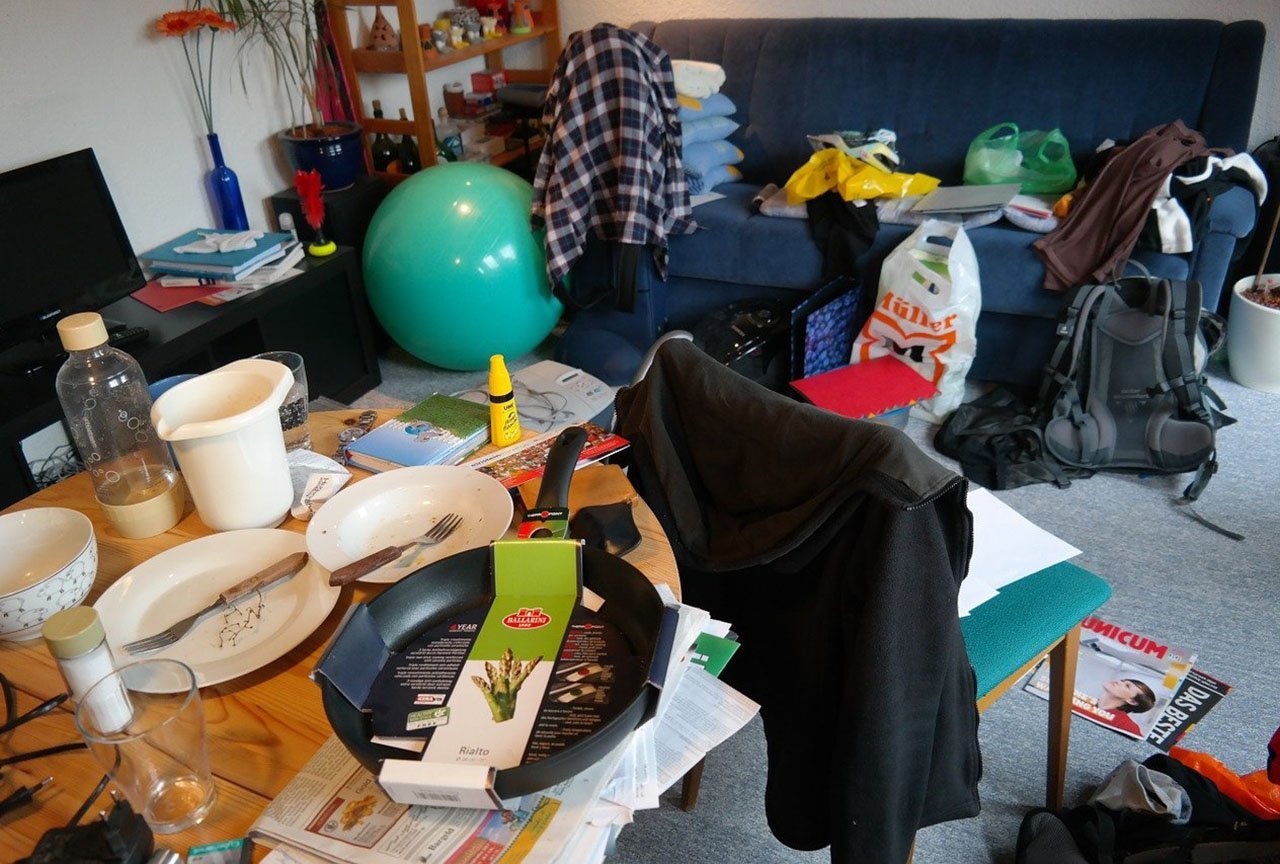
The True Cost of Clutter When Selling a Property

selling a property

Want to Achieve Top Price on Your South Devon Home? Then Clear the Clutter

In this two-minute read, we look at one of the simplest ways to turbo charge the sale of your home – decluttering.

When it comes to selling a home, there’s a simple way to add thousands of pounds to the price you achieve – and that’s to get rid of your clutter.

By being a little bit ruthless with yourself, and those you live with, you really can achieve a quicker and more lucrative sale.

Here are five ways to say toodle-oo to your old toot.

Make a start

The first step is often the hardest, especially if you have a strong emotional attachment to the property. Make things easier by focusing on a single cupboard or box – and building up from there. Move on to other boxes, cupboards or shelves in the same room before progressing onto other rooms in the property. 

Be honest

You don’t have to bin everything, but you do have to be honest. Will a buyer be impressed by your fishing rod collection, or your stash of Queen Mum memorabilia? Probably not. Buyers are looking for a property they can put their stamp on and might be turned off by your ‘special interests’. Put your beloved items into storage.

When did you last use it?

It’s amazing how many items we never use but keep ‘just in case’. Exercise equipment, camping gear, and sewing machines top the ‘I swear I’ll use it one day’ list. Consider selling these items online. That way someone else will get joy out of them – and you’ll earn some extra cash. 

Take before and after photos

Before you start decluttering a room, take a quick snap of it in all its crowded glory. Once you’ve finished in a room, take an ‘after shot’. You’ll be surprised at how much more spacious the room looks, providing useful inspiration to keep going on your decluttering mission.

Reward yourself

It can be stressful – and even emotional – getting rid of things that you’ve had for a long time. When you finish decluttering a room, reward yourself with a nice meal out, a walk with a friend or trip to the cinema.

Posted on

Landlord Insurance, Is It Worth the Money?

landlord insurance

Why South Devon Landlords Need a Landlord Insurance Policy

In this two-minute read, we look at the ins and outs of landlord insurance and consider how it might just save you money in the long run.

As a private landlord, you’ve got to stay on top of repairs, damage, and unexpected costs. So how do you safeguard your property and income? Do you cross your fingers and hope for the best? Or have you taken the necessary steps to protect yourself?

What is landlord insurance?

First off, there’s no legal obligation to have landlord insurance – unless your buy-to-let mortgage offer specifically requires it. But be warned, if you’re relying on a standard home insurance policy to cover your rental investment, this may not protect you when the property is occupied by tenants.

Landlord insurance is designed to cover various aspects of your property/rental agreement. Think of it as an umbrella policy, protecting you against different risks. It normally includes buildings and contents protection as standard, and you can choose to add different types of cover such as:

  • Rent guarantee protection
  • Tenant or accidental damage cover
  • Boiler or plumbing issues
  • Legal expenses

Remember, the more you add to your policy, the more it costs.

What if I’m a leaseholder?

If you own a leasehold flat, the freeholder covers the cost of buildings insurance. However, this doesn’t protect you if there are issues within your rental property such as the boiler breaking down or someone injuring themselves on a loose floorboard (for example).

If you’re a freeholder, landlord insurance is advisable. The buildings insurance cover means you don’t have to worry about big outgoings in case of physical damage to the property, such as damp, cracks, and so on.

How much does it cost?

As with any insurance plan, the price varies depending on what your policy covers, so it’s difficult to predict. However, you can expect prices to start from around £200 per year. Use comparison websites to find the best deal and most suitable cover for your needs.

What happens if I don’t take out landlord insurance?

While it’s not the end of the world and not legally necessary, you may have to pay out a large sum if something goes wrong with the property or if a tenant or tradesperson makes a claim against you.

Many landlords choose not to take out this type of policy, especially those who own a leasehold property. As a bare minimum, freeholders need landlord buildings insurance to protect themselves and their tenants.

Talk to us at Chamberlains to discuss whether you need landlord insurance or about how we can help look after your South Devon rental.