
Posted on

How You Can Stop Feeling Stressed in South Devon

Stress Management

Whichever way you look at it, modern life is stressful. And the 2020s? Well so far, this new decade has caused unparalleled levels of stress.

Whether it’s the pressure of daily life, the juggling of responsibilities, or the state of the world right now, stress can have physical, mental, and emotional repercussions for people of all ages. And it needs to be taken seriously.

April is Stress Awareness Month, an initiative that has been running since 1992, designed to highlight the causes and cures for stress. This year, the Stress Management Society is focusing on community, reducing isolation and loneliness, and increasing social support.

In this quick read, we look at some of the ways you can help to support others feeling stressed or anxious.

Get talking

Sometimes, feeling stressed can be embarrassing. People can feel judged or self-conscious when struggling to cope. Help reduce the stigma around stress by talking about such feelings. Whether at home or in the workplace, those suffering with stress may feel like their issues are valid and gives them space to open up.

Be kind

It sounds simple, and it is. By showing understanding and empathy for someone who is stressed, you can help to ease the burden. Whether it’s making a workmate a cup of coffee or offering to help with a pesky spreadsheet, you can really make a difference to someone’s day.

Share coping strategies

Letting someone feeling stressed know that you’ve felt the same way may help to reduce feelings of loneliness. Maybe your way of coping is by doing some simple breathing exercises or writing ‘to-do’ lists, everyone has their own ways of managing times of stress and sharing them could really help others.

Look after yourself

If you’re feeling anxious or stressed, take the time to acknowledge and understand your feelings. Don’t berate yourself or feel like you should be able to cope. Stress affects everyone in different ways and if you need to take some time to de-stress, that’s perfectly ok.

Talk to your kids

Whether you’ve got a stressed-out teenager about to sit exams, or your little one is worried about their friendships, it’s important to open the dialogue about these feelings and try to suggest ways they can feel better.

Children are like sponges, and things like the pandemic, or the current global situation can really impact them. Looking after your little one’s mental health is just as important as putting a plaster on a cut finger or kissing a bruised knee.

Thanks for reading.

Posted on

Living with Your Parents? You’re Not Alone

multigenerational

In this three-minute read, we explore the growing trend of multigenerational living.

Remember when you were younger and you couldn’t wait to move out of your parents’ house, rent your own place and live independently? Well, times are a-changin’, and being an adult with your own bills, mortgage payments, and countless other expenses has lost its charm for many.

In fact, more and more people are going back to their roots, moving in with their parents, in-laws, or other family members to cut down costs and maximise space.

For many cultures, multigenerational living is the norm. It’s not uncommon for three or even four generations to live in one household, but this was a rarity in most UK households, until now. The Office for National Statistics has found that since 2001, households containing three generations is on the up.

Older adults are moving back in with their parents, elderly grandparents are moving in with their kids and grandkids, and many 20 – 30 somethings have no choice but to stay put in their childhood homes due to lack of funds. During the pandemic, many families decided to move in together to prevent isolation, provide support, and just be together.

These days, the traditional granny annexe won’t always do, as savvy grandparents want more space. Designs for granny flats (or student studios) are more self-contained, ensuring people have their own private space and retain a sense of independence.

As more down sizers move in with extended family, research from CBRE predicts that multigenerational living is set to increase over the next 20 years

Typical ways families are joining together include:

  • Merging finances and buying bigger properties
  • Moving out of cities to take advantage of more space in rural areas
  • Extending properties to build an annexe
  • Adapting properties to create separate entrances and facilities

With the growing trend of multigenerational living, and more than 1.8 million households currently adopting this lifestyle, house builders are also getting in on it. New developments are popping up with ready-made granny flats or studios for multigenerational family set-ups.

Factors to investigate when considering merging households include matters such as council tax, planning permission, wills, and inheritance issues.

If you’re planning on creating a new multigenerational household, talk to us at Chamberlains to see what’s currently available in South Devon.


Posted on

Left It Late? Check Out These Ideas for Christmas Gifts in South Devon

Christmas

This two-minute read might just be your get-out-of-jail-free card if you’ve left it late to buy Christmas gifts.

A conversation among our team recently made us realise that with just over a week to go before Christmas Day, most of us still had people to buy gifts for.

So, if you’re in the same situation and need some late/last-minute present inspiration, check out these 15 ideas.

For Her

To pamper – a spa day at a local beauty salon.

To relax – a luxuriously scented candle (look at Jo Malone if you want to push the boat out).

To savour – a chocolate box subscription (Hotel Chocolat is worth a look for the chocolate connoisseur).

To de-stress – a shiatsu neck and shoulder massaging machine.

To experiment – The Great British Bake Off latest recipe book or maybe Jamie Oliver’s Christmas Cookbook.

For Him

The tech lover – a 3-in-1 Apple device charging station.

The early riser – a sunrise wake-up light alarm clock.

The fitness fan – an electric mini-massage tool.

The thrill-seeker – an experience day – hundreds of options out there, including driving around a racetrack, sailing, or parachuting.

The fan – a personalised video message from a sportsperson or celebrity.

For the Home

As estate agents, no last-minute list from us would be complete without five gifts you can buy for people to use in their homes.

A marble desk organiser.

A customised house portrait.

Personalised coasters.

Frame a favourite photo.

Hardback coffee table books – National Geographic’s Destinations of a Lifetime or perhaps one featuring South Devon?.

And remember, when we shop locally in South Devon, we make a big difference to our community.

Where will you be doing your last-minute gift buying?

Thanks for reading and happy shopping.


Posted on

Why Your Home Could Be Bad for Your Health

In this two-minute read, we explore issues in your home that could be making you feel unwell and how to cure them.

For most of us, our home is a haven. But what if it is making you ill?

Mould and damp

Mould and damp are caused by excess moisture in the home – perhaps due to leaking pipes, roof damage, or condensation build-up. They can cause respiratory issues, nausea and vomiting, and general illness, so it’s important to stay ahead of any fungal growths or damp patches.

Quick tips to prevent mould are:

  • Air your bathroom when bathing to get rid of condensation
  • Keep your home well ventilated to avoid excess moisture
  • Where you notice mould, wipe it away with detergent or mould treatments (in more serious cases, call in the professionals to get rid of it)
  • Hang your wet laundry outside or by an open window to prevent moisture build-up.

Excess dust

No matter how clean your house is, dust and dust mites can be found within most properties. They are a common allergen and can cause asthma symptoms. Ongoing exposure may result in allergic rhinitis (runny nose, watery eyes).

Reduce dust and mites by:

  • Regularly vacuuming carpets and mopping floors
  • Dusting with a damp cloth
  • Change bedsheets weekly and wash in warm water
  • Vacuum upholstered furniture, such as sofas.

Carbon monoxide

It’s important to have a working carbon monoxide monitor in all properties, as this gas is a silent killer. Some causes include poorly installed and/or badly ventilated appliances, such as cookers and boilers, blocked flues or chimneys, paint fumes, and smoking indoors.

Early signs of carbon monoxide poisoning include an ongoing headache, dizziness, sickness, and shortness of breath.

Cleaning products

While a clean home is important, limit your use of cleaning products such as oven cleaners, bleach, and aerosols. All of these contain chemicals that can cause irritation to the eyes and throat resulting in headaches and breathing issues.

Lead paint

Lead paint was banned in the UK in 1992 but can still affect older properties. Once lead paint starts to crack or peel, its dust can cause serious problems, especially for children and pregnant women.

If you suspect your older property has got areas of lead paint, speak to a building professional about how to get rid of it.

The good news is what we’ve outlined above is very rare but if you’re concerned about any problems in your home, speak to us at Chamberlains.


Posted on

Seven Ways to Keep Your Pets Calm in South Devon During Fireworks Season

How to Keep Pets Calm This Fireworks Weekend

We share seven tips from national pet charities to keep pets from suffering stress this fireworks season in this two-minute read.

At Chamberlains, we love pets.

And we get to meet plenty of our clients’ furry friends during our daily work across South Devon.

According to a 2018 survey by builders, McCarthy Stone, pets made people a lot happier about their everyday lives.

45% of the people they polled said their pet is the main reason they exercise, and a whopping 31% said having a pet gives them a purpose in life.

So, now that fireworks season is back with a bang and a whoosh and frequent flashes, we thought we’d share seven simple steps you can take to help your beloved pets avoid anxiety this weekend.

Below are four tips from the world-renowned Battersea Dogs Home, followed by three more ideas from the CATS Protection charity.

  • Stay indoors. Don’t walk your dog in the evening during fireworks weekend.
  • Draw the curtains. Unexpected flashes can cause dogs anxiety as much as random bangs, so close the curtains.
  • Give your dog space. Confining your dog in one room during the evening can cause extra anxiety for them. Instead, let them wander indoors as much as they want.
  • Distract them with treats. Long-lasting chews and bones are a great way to keep their minds off what’s happening outside.
  • Stay calm. Instead of overly comforting an anxious cat, keep cool – your cat is more likely to feel relaxed if you are.
  • Create a safe space for your cat. A cardboard box lined with blankets is ideal. However, cats feel safer higher up – so place the box on a sturdy shelf if possible.
  • Play music. Cats and loud noises don’t necessarily mix. Try keeping a radio or TV on. This distraction can lessen outside noise and help if your cat gets scared from the sudden sounds of fireworks. Nina Simone’s Feline Good is a cat classic (sorry, we couldn’t resist).

More helpful information about keeping pets safe and sound can be accessed via www.cats.org.uk and www.battersea.org.uk.

Although this article features advice for dogs and cats, the basic care principles are the same for many of our beloved pets.

We hope you enjoy the fireworks this weekend and that your pets don’t even notice them.

Thanks for reading.


Posted on

How to Beat the Blues this Winter

winter blues

How to Make the Most of Winter (Instead of Hiding Under the Duvet)

In this two-minute read, we look at how to ward off Seasonal Affective Disorder (SAD).

Are you struggling with the dark days and long nights that kick in at this time of year? Don’t worry – you’re not alone.

Millions of Brits experience a dip in mood during the colder, greyer months, often referred to as the ‘Winter Blues’.

Some go on to develop Seasonal Affective Disorder (SAD) – a type of winter depression that seriously impacts everyday life.

Symptoms include lethargy, mood swings, oversleeping, and appetite changes (especially a craving for carbs).

Here are five ways to fight off the blues over the coming months.

  • Bask in the light

As SAD is closely linked to a lack of exposure to sunlight, make sure you spend time outdoors every day (especially when the sun is out). Maximise the light in your home and workplace by opening curtains and blinds during the day.

  • Eat well

Avoid calorie-laden carbs – they’ll make you want to snooze on the sofa. Instead, eat oily fish, eggs, mushrooms, and red meat as they contain Vitamin D, a nutrient we usually get from exposure to the sun.

  • Exercise

Exercise produces feel-good endorphins and improves your sleep. Enlist a friend to be your winter exercise buddy to keep you motivated.

  • Live like a Scandi

Embrace the Nordic concept of Friluftsliv, which means ‘outdoor living’. This involves exercising and socialising outside in the colder months. If you have outdoor space at your home, install a fire pit, chiminea or outdoor heating, and fairy lights or lanterns. Then invite some friends over for an alfresco tipple

  • Take the plunge 

If you’re feeling brave, why not try cold water swimming? Researchers believe it can boost your mood, sleep, and circulation. Coldwater newbies should take things slowly and always swim with someone else and in a safe location.

And if you’re still struggling

Don’t be afraid or embarrassed to speak to your GP if you feel like things are getting on top of you. They may suggest getting a light box (a special lamp that emits bright light), counselling, or prescribe medication.

From all of us here at Chamberlains take care of yourself and thanks for reading.

Posted on

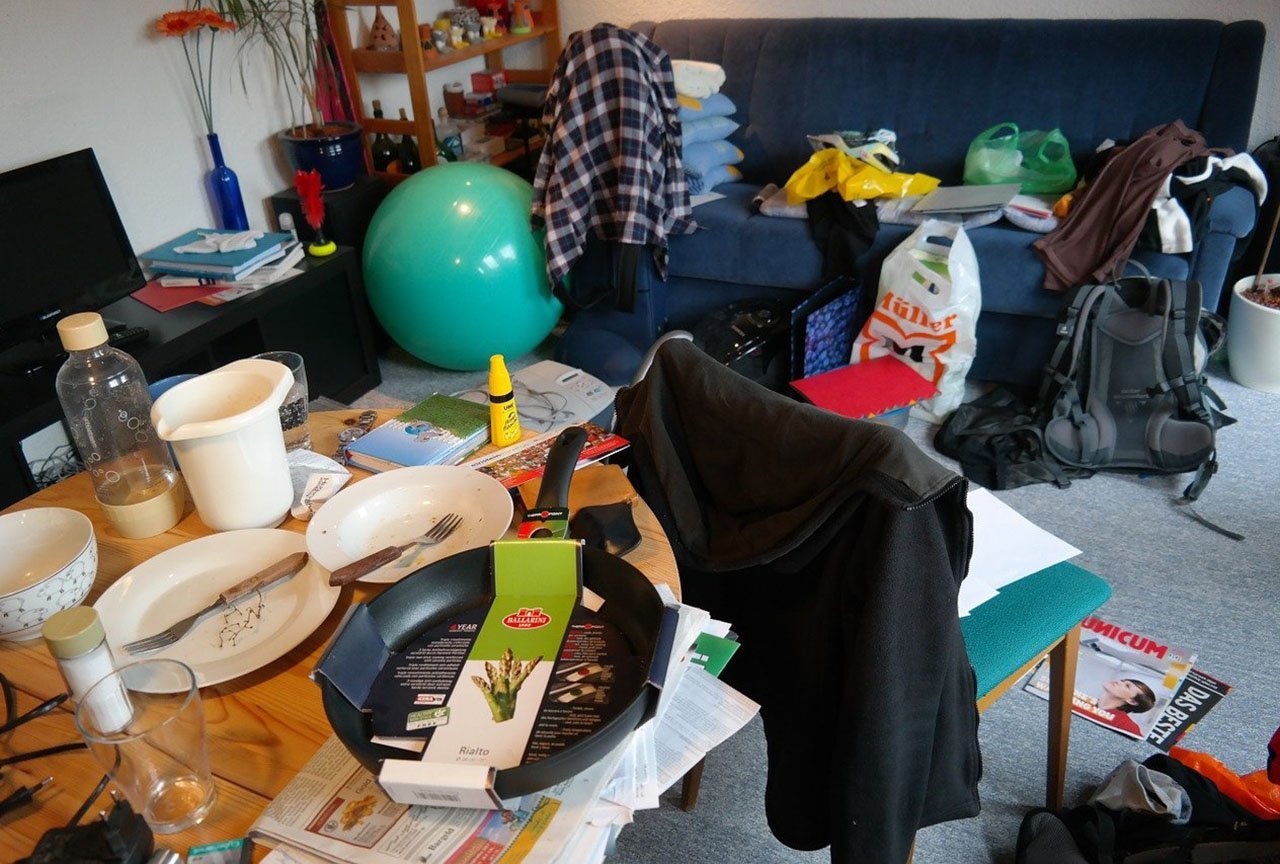
The True Cost of Clutter When Selling a Property

selling a property

Want to Achieve Top Price on Your South Devon Home? Then Clear the Clutter

In this two-minute read, we look at one of the simplest ways to turbo charge the sale of your home – decluttering.

When it comes to selling a home, there’s a simple way to add thousands of pounds to the price you achieve – and that’s to get rid of your clutter.

By being a little bit ruthless with yourself, and those you live with, you really can achieve a quicker and more lucrative sale.

Here are five ways to say toodle-oo to your old toot.

Make a start

The first step is often the hardest, especially if you have a strong emotional attachment to the property. Make things easier by focusing on a single cupboard or box – and building up from there. Move on to other boxes, cupboards or shelves in the same room before progressing onto other rooms in the property. 

Be honest

You don’t have to bin everything, but you do have to be honest. Will a buyer be impressed by your fishing rod collection, or your stash of Queen Mum memorabilia? Probably not. Buyers are looking for a property they can put their stamp on and might be turned off by your ‘special interests’. Put your beloved items into storage.

When did you last use it?

It’s amazing how many items we never use but keep ‘just in case’. Exercise equipment, camping gear, and sewing machines top the ‘I swear I’ll use it one day’ list. Consider selling these items online. That way someone else will get joy out of them – and you’ll earn some extra cash. 

Take before and after photos

Before you start decluttering a room, take a quick snap of it in all its crowded glory. Once you’ve finished in a room, take an ‘after shot’. You’ll be surprised at how much more spacious the room looks, providing useful inspiration to keep going on your decluttering mission.

Reward yourself

It can be stressful – and even emotional – getting rid of things that you’ve had for a long time. When you finish decluttering a room, reward yourself with a nice meal out, a walk with a friend or trip to the cinema.

Posted on

Be Prepared for Unexpected Questions about Your South Devon Home

In this two-minute read, we look at useful information which you might want to share with your agent to satisfy inquisitive buyers.

You can often tell whether a viewer is keen on a property from the questions they ask. And in our experience, the more specific the question, the warmer the prospect. When it comes to preparing for a sale, the more information that you can share with your agent, the better. Here are five typical questions to get you thinking.

  • What are the neighbours like?

Your viewer is envisioning living in your property. Help them do this by letting your agent know the demographic of your neighbourhood. A good agent will assess the viewer’s preference and highlight those neighbours accordingly; families, elderly people, professionals, students, etc. Add extra information if you can: Are they friendly, quiet, helpful?

  • Where are the closest bus stops?

Go a step further and provide information on the bus routes and the frequency of the service. If it’s only a ten-minute ride into town, or there’s a direct service to the leisure centre, let your agent know.

  • Which way does the garden face?

For those with outside space, most people want to know which way the garden faces. If you’re unsure, there’s a helpful app called Lumos, which will point you in the right direction (excuse the pun!). Garden furniture purposely positioned in sunny spots will show potential buyers where to go for a bit of R&R.

  • Where do the kids next door go to school?

It’s good if you can let your agent know which school catchment your property sits in. It’s great if you can tell them where the local kids go. Parents’ school preferences vary – with some prioritising the same school as local friends over Ofsted reports.

  • Which takeaways deliver here?

If a buyer is wedded to their weekly teatime treat, this will be essential information. If you have a recommendation, let your agent know – you might tempt prospective buyers with new or unique culinary delights in your local neighbourhood.

If you’re thinking about a property move and want to know more about what information to start collating (or if you have a recommendation for a local takeaway), feel free to get in touch.

© Chamberlains 2021