Posted on

How South Devon Landlords Can Manage and Minimise Void Periods

landlords

Success as a landlord doesn’t just centre around what you do when your property is tenanted. How you manage your rental when it’s empty is also crucial.

All landlords have to contend with void periods – they’re an inevitable part of having a buy-to-let.

So, it’s wise to budget for the costs associated with void periods and take precautions to stop them dragging on.

That’s because when your property is empty, not only will you be missing out on rent, you’ll also have to cover the mortgage and utility bills (you’ll need to heat your property to some degree to prevent the pipes from freezing and condensation). And then there’s the thorny issue of council tax.

A few years ago, many local authorities gave landlords a one-month grace period on paying council tax on empty properties. But many cash-strapped councils have since scrapped this policy, while others only offer a partial discount.

Given that void periods can be costly, it’s imperative that landlords carefully manage them and keep them to a minimum. Here are tips on how to do both.

Managing void periods

– Set some cash aside to cover costs when your property is empty.

– Check the rules on council tax and vacant properties in your local area so you can budget.

– When your tenant serves notice, use this time wisely to carry out any improvement works.

– Include rent protection in your landlord insurance.

– Check your insurance cover; some policies become invalid if the property is empty for more than 30 days. If your property looks set to be vacant for a significant period, you may need to take out unoccupied property insurance.

How to prevent unnecessarily lengthy void periods

– Be aware that it might take longer to find good tenants if your property is vacant around the Christmas period, as it’s quiet and difficult to arrange viewings.

– Maintain your buy-to-let to a high standard all year round. Don’t put off maintenance or repair work.

– Be a responsive landlord. Happy tenants are likely to stay longer.

– If you’re time-poor, use a letting agent to manage the property and reduce tenant turnover.

Contact us here at Chamberlains to learn more about our property management services.
 

Posted on

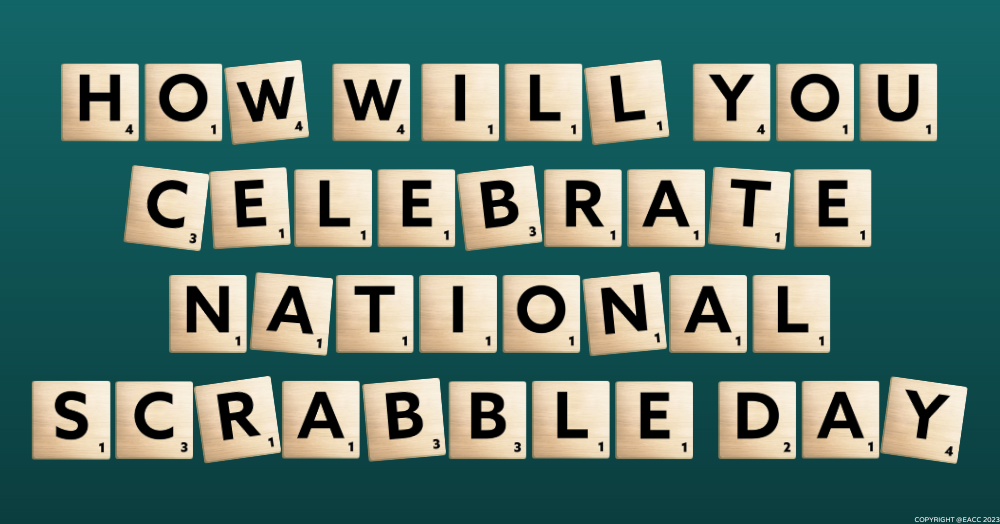
It’s National Scrabble Day

National Scrabble Day

Scrabble isn’t everyone’s cup of tea. In fact, a lot of people can’t stand it. Then there’s the other half of the population who delight in using obscure two-letter words, hogging all the triple word score squares and whooping with joy when they make a seven-letter word.

Love it or hate it, Scrabble has been around for a long time, and 13 April is National Scrabble Day (yes, this is actually a real thing).

Read on for some Scrabble facts you never knew you needed to know.

Its origins

Scrabble was invented in 1938 by an architect called Alfred Mosher Butts. He originally called it Lexico. Ten years later, a friend and fellow inventor, James Brunot, bought the rights to the game and renamed it ‘Scrabble’. He started to manufacture it professionally, and a few years later, it was ordered by Macy’s – one of America’s biggest retailers.

What’s the highest-scoring word?

The highest-scoring word in Scrabble is ‘muzjiks’ and means Russian peasants. It’s 29 points for the word alone, with a 50-point bonus because it’s seven letters long (also known as a bingo). If the ‘z’ is placed on a double letter square (scoring 20), then you’re looking at a whopping 128 points for one word. (Instead of the three points you normally score for words like ‘run’, ‘fun’ and ‘sit’.)

The most important word  

Apparently, professional players think that ‘qi’ is the most important word you can know to be a Scrabble champion. It means ‘life force’ in Chinese and can also be plural. Stick it on a triple word score and you’re looking at 33 points.

Other little-known words that score well include ‘qat’, ‘xi’, ‘za’ and ‘xu’.

Tournaments

Professional Scrabble tournaments are a big deal, and this year’s world championships will be held in Las Vegas. With prizes worth thousands of dollars, you can understand why people are keen to take part. But some of the players don’t always play fair, and there have been a fair few cheating scandals revealed in the last few years. People have been caught with pockets full of blank tiles, sneakily trying to put tiles back into the letter bag and making up words that go unchallenged.

The fastest ever professional game was back in 1978 – the players took just seven minutes to use all the tiles!

Scrabble knockoff

While the board game is still a classic, many people get their daily fix of word-building from online versions. In fact, Words With Friends, which has been around since 2009, has recorded almost 10 million downloads and is very similar to the Hasbro classic.

Are you a Scrabble master? What’s your highest score?


Posted on

Ways to Avoid Deposit Disputes When You Leave Your Rental

deposit dispute

It’s widely recognised that moving house is one of the most stressful (and annoying) life events you can experience.

If you’re nearing the end of a tenancy agreement, there are a few things you can do to ensure your check-out inspection goes well and (upon moving out) you get your tenancy deposit back in full.

In this quick read, we go through ways to make moving out easier for you and your landlord.

  • Report issues or breakages early

Let your landlord or managing agent know in advance of any damage that has occurred – whether it’s a broken appliance, damaged furniture or peeling wallpaper. If you give them a heads-up, it can be dealt with, and you can avoid blame.

  • Fix problems you’ve caused (if you can)

This applies to issues that can be sorted without needing building work or professional involvement, such as a stain on the carpet or a ripped shower curtain. If you have caused minor issues, get them fixed ahead of time, so you don’t need to worry come inspection time.

  • Clear out clutter

Once you’ve packed up all your essentials, there’s bound to be bits and pieces left over. Don’t be tempted to shove them in a cupboard and hide them away. It’s better to dispose of your personal debris than to leave it for someone else to find. Left-over rubbish could affect your deposit, and it’s good manners not to leave it behind.

  • Appliance cleaning

When you empty the fridge and freezer, give the shelves/drawers a quick wipe-down. The same applies to the hob and oven. The general cleanliness of the property will be noted in the inspection, so it’s good practice to leave everything as clean as possible. Similarly, give the drains in your bathroom sink, shower and kitchen a clean by removing any hair or blockages.

  • Check your tenancy agreement

If your property was professionally cleaned when you moved in, having it cleaned when you move out may be a condition of your contract, so you’ll need to organise an end-of-tenancy clean. A good inspector can tell the difference between a professional and domestic clean, and if it hasn’t been done, your landlord could deduct the cost from your deposit.

  • Outside areas

If your rental has outside space, you’ll need to give it a quick tidy, too. Make sure you’ve removed any rubbish, packed up your BBQ and any toys, and left it in the same condition as when you moved in. This includes getting rid of weeds.

If you’re looking for a new rental property, get in touch with the Chamberlains letting team today.

Posted on

Eight Reasons Why You Should Refurbish Your Rental Property

rental

“If it ain’t broke, don’t fix it.” That’s the view some landlords take on the question of renovating a buy-to-let.

They do the absolute minimum in terms of maintenance and repairs and only manage to meet their legal obligations by the skin of their teeth.

The décor is shabby and tenant turnover is high, but hey, they’re saving every possible penny, so they feel rather pleased with themselves.

So, is this the best way to get the most out of your property investment?

We’d argue that instead of running your buy-to-let down to its bare bones, often the smarter option is to be proactive and refurbish or extend.

We’re not talking about budget-busting Grand Designs-style projects. And, of course, it’s important to take the age and condition of a property into consideration before you make changes.

But carefully costed refurb works that appeal to your target demographic will pay for themselves in the long run.

Here’s why.

  • You’ll attract better tenants. In this visual age, tenants have high expectations. A property that is fresh and modern will stand out in online marketing and in-person viewings.
  • Shorter void periods. Tenants will quickly snap up a property that looks great.
  • Fewer tenant disputes. Tenants are more likely to treat your property respectfully if it’s well-appointed. If you don’t care what it looks like, why should they?
  • Better returns. Renovating a down-at-heel property will allow you to market it to a broader demographic, including professionals.
  • Add value to your property. If refurbishments are carried out to a high standard, you’ll reap the financial benefits when you come to sell.
  • Longer tenancies. Tenants will stay for longer in a property they enjoy living in and that isn’t riddled with problems.
  • Lower repair costs. Ageing kitchens and bathrooms can require lots of repairs. Replacing them before they become money pits can save you time and hassle in the long run.
  • Energy efficiency. Replacing single-glazed windows, installing insulation or adding solar panels will improve the energy rating of your property, which is good for the planet and your tenants’ energy bills.

For expert advice on adding value to your rental property, contact us here at Chamberlains today.


Posted on

Turn Your South Devon Rental Property into Somewhere You Love

rental

Whether your rental property is a blank space you just sleep in, or it’s a new family property, it’s important to make it feel like home. So, how can you fall in love with your rental without breaching tenancy rules?

You could be a long-term renter or maybe a flat-sharer, but one thing is for sure, making the space your own will immediately change the way it looks and feels.

In this quick read, we look at ways to love your rental without falling foul of any tenancy agreement rules and stipulations.

Check what’s allowed

Before you decide to do anything, make sure you know what you can and can’t do. Whilst your deposit is protected by law, you could lose it by changing the décor without permission. The same goes for drilling holes into the walls.

As a tenant, you don’t automatically have the right to make any alterations to décor, but if you’re keen to change things, have a chat with your landlord to see if they’re open to suggestions. Remember, a landlord is responsible for repairs and maintenance, not for redecorating.

Landlords know that good tenants are hard to find, so if you’re willing to invest in a property to improve the way it looks, they may take a favourable view.

  • Furnished or unfurnished?

If you’ve moved into an unfurnished property, then installing your own things will automatically make a house or flat feel more like your home. It might just be a bed or wardrobe, but at least it’s yours.

Have a think about what’s important to you before you start looking for a rental. Do you want your own bits and bobs, or are you happy to make do with what’s provided.

  • Go green

Plants are a great way to make a space seem homely, and they won’t breach your tenancy agreement. If you’re green-fingered, go crazy with house plants around the property to brighten things up. If you can’t keep a cactus alive, then there are plenty of inexpensive plastic plants available that look great and never lose their leaves.

  • Photos and art

Framed photos of you and your loved ones (or whatever you like) immediately add a personal touch. If you’re thinking about hanging frames or pictures on the wall, look for options that don’t leave a mark once removed. Think about creative ways to display art, like easels or (if it’s large enough) propped up against a wall.

  • Cosy additions

Just because a sofa comes with cushions on top of it doesn’t mean you have to use them. Pack them away for safekeeping and add your own colourful pillows/cushions to chairs and sofas to surround yourself with things you love. Blankets and throws are also a great way to personalise boring pieces of furniture.

If you’re looking for a new rental property, give Chamberlains a call today.


Posted on

Deposit Deductions: What South Devon Landlords Should Know

landlords

The end of a tenancy agreement can be stressful for landlords. You need to make sure the property isn’t vacant for long and there may be a need for repairs and maintenance. Then there’s the deposit release process and decisions about whether you need to make any deductions.

Landlords have a bad rap when it comes to deposits. Many tenants think they have made unfair deductions or that their landlord is wrong to keep anything back.

Thankfully, services such as the Tenancy Deposit Scheme (TDS) and Deposit Protection Service (DPS) have reduced the controversy around returning deposits. There’s a formal dispute resolution process that both landlords and tenants can apply to if there are disagreements. However, as a landlord, it’s still worth knowing what you can and can’t make deductions for.

In this three-minute read, we look at the dos and don’ts of deposit deductions.

Reasonable deposit deductions

Your property should be returned to you in the condition that it was found in (excluding fair wear and tear), and your expectations should have been set out in your original tenancy agreement. For example, if the property was handed over after being professionally cleaned, it is reasonable that it’s cleaned to the same standard on the way out.

Reasonable deductions can also be made for the following:

  • Unpaid rent or bills
  • Damage caused by tenants
  • Missing items (in the case of furnished properties)
  • Gardening

Fair wear and tear

An area that causes trouble when it comes to returning deposits is the concept of ‘fair wear and tear’. This is anything that could be caused by everyday living. For example, scuff marks on the walls can occur quite easily and would fall into the category of ‘fair wear and tear’. However, a dent in the wall or broken window could be seen as beyond the usual level of wear and tear and therefore be deductible.

It’s also important to be fair. So, if one kitchen cupboard has been broken, it wouldn’t be fair to try and reduce the deposit by the cost of replacing an entire kitchen. Additionally, the level of wear and tear differs depending on the number of tenants in a property and the length of time they’ve been there. You might experience more damage after a family with young children move out rather than a couple.

How to avoid deposit disputes

The best way to avoid deposit disputes is to pay for a thorough inventory before a tenant moves in and after they leave. Using a third party to assess a property and take photographs offers a fair and balanced approach to any potential deposit disputes that may arise. An inventory will be vital evidence should a deposit matter be taken to arbitration.

What to do if you’re unsure

Your letting agent can be a great source of help if you’re unsure whether to make a deposit deduction. They have the experience of viewing and assessing hundreds of rental properties and will be able to ascertain whether an issue is classed as damage or fair wear and tear.

Our lettings team are here to help if you’re looking for new tenants. Call us today on 01626 365055 to start the tenant-finding process.

Posted on

What to Do If Your Tenants Fall Out

tenants

Joint tenancies can be a great way for friends and couples to share costs and a steady source of income for landlords – but they’re not without their challenges.Friends can fall out, couples can split up, and rows about who used all the loo roll or spilt red wine on the carpet can escalate into toxic disputes.

Sadly, the current cost of living crisis, which is causing much anxiety among renters, may further complicate things.  According to a recent survey*, three in five people living in shared accommodation say rising energy bills are a source of tension among flatmates and more than half of those surveyed also expressed concern about flatmates leaving the heating on, not switching lights off and taking long baths.

So that landlords don’t find themselves caught in the middle of tenant disagreements or drawn into end-of-tenancy disputes, it’s essential to manage joint tenancies carefully. Here are some top tips.

  • Make sure all tenants attend the viewing. Never accept a tenant you’ve not met based on someone else’s word.
  • Ensure tenants understand they are liable for all rent and damages (this will be covered in the contract). Some people mistakenly assume that if, for example, they’re one of two people named in the agreement, they’re only liable for half the costs – not true! If one tenant falls into arrears or causes damage, the landlord can ask any or all the other tenants to pay up.
  • The same applies to end-of-tenancy deductions; these are taken from the overall deposit.
  • Always encourage tenants to resolve their own disagreements. You’re not Oprah Winfrey or Judge Judy, so resist any attempts from tenants to get you to play counsellor or act as ‘referee’.
  • Always communicate with all tenants. Never assume that one tenant will pass information on to other tenants. It’s not their job to do this ­– it’s yours.
  • If there’s a dispute over damages or an issue with arrears, contact all tenants to explain the situation and remind them they’re all liable. Sometimes the other tenants in the property can play a helpful role in resolving the situation.
  • Always remain empathetic and professional.

For more advice about managing tenants or our property management services, contact us today on 01626 365055.

*Comparethemarket, November 2022


Posted on

Got the January Blues? Boost Your Mood for Free

blue monday

We’re three weeks into January. Have you stuck to those New Year’s resolutions? Are your jeans still feeling a bit snug after overindulging on Christmas treats? Feeling a bit bleurgh about everything? Monday is… Blue Monday, officially the gloomiest day of the year.

There are numerous reasons why the third Monday of January has been dubbed the saddest day of the year: it’s cold, it’s dark, payday is still a fair way off, and all that Christmas merriment is a distant memory.


But instead of weeping into your lukewarm tea, it’s time to take action and make yourself feel better.


In this quick read, we look at ways to boost your mood and bat away those January blues (and yes, some do involve exercise).

Write a letter

Remember when you used to receive actual letters? Not just bills or junk mail, but actual handwritten, thought-out letters? There’s something so special about it.

So, grab a pen, sit somewhere comfy and write a good old-fashioned letter. It could be to a friend or relative, it could even be to yourself. But losing yourself in a letter is a great way to stave off those January blues for a short while at least.

Pick up the phone

(WARNING: you’re going to have to make a call, not just text or WhatsApp someone.) Speaking to a friend or family member when you’re feeling a bit down is a great tonic. Catch up on their news, celebrate their wins, share any titbits about yourself – you’ll make their day and yours, too.

Go outside

If the last time you went for a walk just for the sake of going for a walk was back in the pandemic, then it’s time to tie up your laces, put on your puffer jacket and get outdoors. Whether you go for a scenic walk, a gentle jog or just a stroll down to the high street – getting outdoors can make a huge difference to your mood.

Work out for free

You don’t need to join a gym to get your blood pumping. You don’t even need to stream a workout video on YouTube (although it’s got millions to choose from). Just put on some music and have a dance party for one. You might feel like an idiot but having a little dance around the dining room can do wonders for your blue mood.

Go to Finland

If all the other suggestions don’t work, then pack up your bags and plan a trip to Finland, ranked 2022’s happiest country in the world. In fact, it’s been voted the happiest country for five years, so they obviously know something we don’t.

We’re always here for you, so if you’re feeling a bit blue on Monday, feel free to pop in and say hi!

Posted on

How to Find a Good Contractor for Your Rental

rental

If you’re a seasoned landlord, chances are you’ve experienced at least one out-of-hours call from a panicked tenant about a leaky toilet or boiler breakdown. Why is it these things never seem to happen at a reasonable hour?

Repairs and maintenance of your rental portfolio can be costly and stressful, so having trustworthy contractors is invaluable. You need someone who you know will get the job done and (hopefully) won’t charge you exorbitant fees to do so.

For newer landlords, finding a good contractor should be at the top of your to-do list.

In this quick read, we look at some questions to ask yourself (and your contractor) to ensure they’re right for the job.

Are they local?

You may or may not live near your rental property, but it’s important that your contractor does (or can get there quickly), especially in the event of an emergency. Whether it’s a one-person business or multiple workers, you need to know how far they are from the property to make sure they get there in good time (hopefully preventing you from receiving multiple irate calls from your tenants).

Are they accredited?

What does the contractor do? Is it a bit of everything? Or is it a specialist trade such as a plumber or electrician? Either way, if they’re doing works on your rental property, you’ll need to check their accreditations. For example, are they on the Gas Safe Register, Electrical Safety Register, Considerate Constructors and so on. It’s easy to check online to find out if someone is accredited and able to do the work you need them to.

Do they come recommended?

Word-of-mouth recommendations are really helpful, and you can also find out how good their work is from websites such as Which? Trusted Traders or Checkatrade (these are also a good way to find contractors). Look to see if they’ve got a website or social media page, too. Past customers (especially unhappy ones) will be likely to leave reviews.

Do they have an on-call service?

Once you’ve established a relationship with a tradesperson, find out if they’d be happy to work outside of normal office hours. And if they do, what’s the charge? Make sure you know what to expect, as in urgent situations you could be paying a far higher rate than normal.

What did your tenants think of them?

If you’re using someone for the first time, ask your tenants what they thought. After all, they’re the ones who are getting a first-hand experience of the service. If they had a negative encounter, is it worth using them again?

At Chamberlains, we offer a full property management service and have a team of reliable contractors. Contact us on 01626 365055 to find out more.

Posted on

What to Tell Your Tenants on Moving-In Day

Tenants

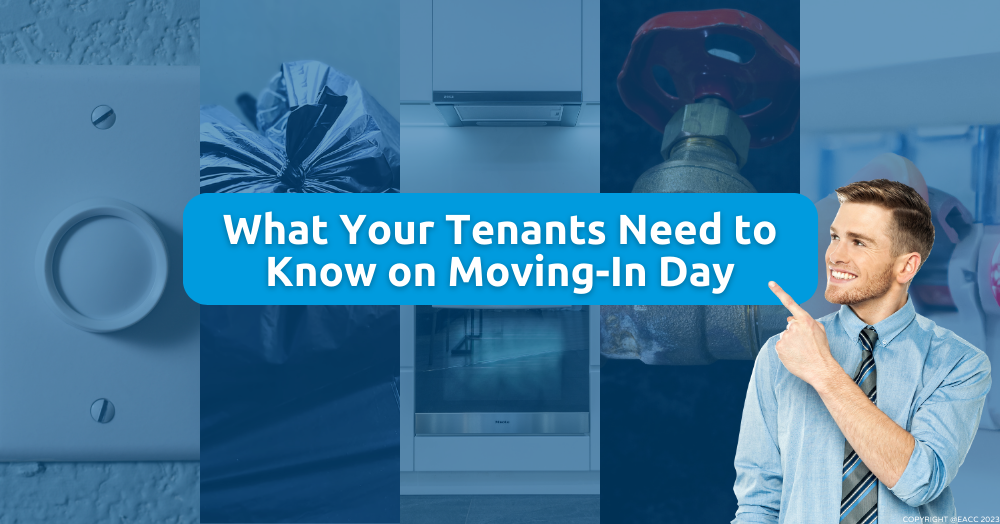
What Your Tenants Need to Know on Moving-In Day

Want to get your new tenancy off to a good start and safeguard against future disputes? Then here are some important things you should tell your tenants on moving-in day.

Let’s face it, finding good tenants and getting all the relevant paperwork ready for a new tenancy is hard work.

As well as arranging viewings and reference checks, landlords have to finalise the contract, compile an inventory and take meter readings.

By the time all this is done, most landlords are itching to get the moving-in formalities over with quickly and leave their tenants to unpack.

But while it may be tempting to hand over the keys and leg it faster than Usain Bolt, it’s best to take a different approach.

We suggest you take the opportunity to talk through a few practical issues with your new tenants. This informal, in-person chat will build trust and reduce the chances of conflict later on. It will also mean that tenants don’t have to chase you up with niggling, minor queries.

Here are five things you should discuss with your tenants on the day they move in.

Rules on rubbish 

Avoid the ugly sight and smell of overflowing bins outside your rental property by explaining the rules on rubbish disposal. Outline when the bins are collected and what items should be recycled or put into food waste.

Light bulb reminder

If the lighting in your property relies on dimmer switches, remind your tenant that only dimmable light bulbs should be used (this should be specified on the packaging). Using standard bulbs with dimmer lights is a potential fire hazard.

Fuse box explainer

It’s useful for tenants to know where the fuse box is so that if a fuse trips, they can reset it (if it’s safe to do so).

Show tenants where the stopcock is

If a pipe bursts or a tap breaks, you’ll want your tenants to act quickly. Show them where the stopcock is located so that if there is an emergency, they can turn off the internal water supply to prevent flooding.

Appliance information

Run through how to operate the boiler and any other appliances where it might not be straightforward. Leave copies of appliance manuals with tenants so they can refer to them if needed.

For more information about our property management services, contact us here at Chamberlains.