
Posted on

Summer Checklist for Tenants in South Devon

At last summer is here, so what are your plans?

Have you booked an exciting getaway in an exotic location? Or is the aim to kick back and relax on home turf?

Whatever you’ve lined up, it’s worth taking note of the common concerns that can crop up in rented accommodation during the summer.

If there’s a garden at your rental property:

  • Check your contract to ensure you understand what’s expected of you in terms of maintenance. Commonly, tenants are expected to carry out general tasks such as watering and mowing – and in summer, you’ll most likely need to do both quite regularly.
  • If you have children, paddling pools and trampolines might seem like the ultimate summer garden accessories – just bear in mind that at the end of the tenancy, you’ll be expected to return the garden in the same state as it was when you moved in. So if the grass under a trampoline or paddling pool dies off (as it often does), you’ll need to rectify it.
  • Keen gardeners should get permission from the landlord before undertaking any major planting or landscaping projects. Planting in pots may be preferable, so you can take any plants that you lovingly tend to with you when you move on.
  • If you’re socialising outside, be mindful of the neighbours. Don’t play loud music into the early hours of the morning or let things get too lively.

Other issues

  • Burglars prowl about in the summer months looking for easy entry to properties, so be vigilant if you open windows or doors in hot weather.
  • Always lock up carefully before you go out and be particularly cautious if you’re going away on holiday. Check and check again to ensure everything is safe and secure. The last thing you want is to return from a brilliant holiday to find you’ve had intruders.
  • If you’re going away for an extended period, let your landlord know. Some contracts specify that you notify your landlord if you’re going to be away for more than 14 days. Even if you’re not legally required to do so, it’s good to do it as a courtesy. It also means that your landlord can avoid bothering you with non-urgent queries when you’re on holiday.

Looking for a new property to rent? Get in touch with us here at Chamberlains today.

 

Posted on

Should You Be Friends with Your South Devon Tenants?

As a landlord, it’s important to build a good relationship with tenants. You want them to feel comfortable in their new home and to care for it, pay rent on time and generally have a successful tenancy period. But what makes a good relationship?

Unless you’re renting a property out to friends or family, it’s likely you won’t have met your tenants before. So, while it’s important to introduce yourself and maintain a good line of communication, there is a danger of becoming too friendly with them.

And once you’ve crossed that boundary, it could cause a lot of problems (and awkwardness).

In this quick read, we look at the do’s and don’ts of maintaining a professional relationship with tenants.

Introduce yourself

If you used an agent to find the tenants but intend to self-manage when the tenancy starts, it’s always a good idea to contact the tenants and let them know that you’re their landlord. Whether you want to do this face to face or via a call, it’s important they know how to get in touch with you.

This is also a good time to let them know your working hours and how to contact you in the event of an emergency.

Messages/emails

If you have more than one tenant living in a property, it may be useful to set up a group for messages or emails. A WhatsApp group is a good way of communicating; however, it may also leave you open to receiving non-urgent messages over the weekend or late at night.

Make it clear when you will be available to respond to queries. Also, make sure you respect their timings. If you have a non-urgent request, contact them during working hours instead of evenings or weekends.

Social media

Should you befriend your tenants on social media? While there are no rules against it, it may seem intrusive if you were to add them onto your social accounts, as if you’re trying to keep an eye on them. Similarly, if a tenant adds you, you might want to think twice before you accept their request. You’re not friends, you’re in a business relationship.

When entering a contract with a tenant, you’re in a legally binding agreement. There could be future disputes between you and them regarding issues with the property or rent payments. By adding them on social media, you’re crossing a line between personal and professional, so it’s important to stay mindful of this.

Use your agent

Letting agents are trained and experienced in dealing with tenants, issues that arise with payments, deposits and disputes. They can help maintain a professional distance from your tenant, so it’s a good idea to work with them. Speak to your agent about what they can and can’t help with. They’re also a great source of knowledge if you need assistance with a tenant.

Looking to rent out a property? Contact our team at Chamberlains today.

Posted on

How to Get a Tenancy Off to a Good Start

If you’re a landlord about to settle a new tenant into a property, there’s one phrase that should be your guiding mantra: “Start as you mean to go on”.

Because what you do in the early stages of a tenancy will help define what unfolds over the next weeks, months and possibly years.

Get things right, and you’ll build the foundations of a long and successful tenant-landlord relationship (the kind that all landlords dream of).

Get it wrong, and you could be in for a bumpy ride that absorbs much of your time and energy and leaves you stressed and out of pocket.

No pressure then.

So once the paperwork is signed off, how can you lay the groundwork for success? Here are six tips to help get your tenancy off to a good start.

  • Prepare the property Before you hand over the keys, carry out any outstanding repairs, ensure the property is sparkling clean and read the meters. If a tenant thinks you don’t care about the state of the property, what message does that send to them?
  • Meet and greet Welcome your new tenant and run through the basics. Discuss bin collections, how the appliances work and where they can find the fuse box and stopcock (in case a switch trips or pipe bursts). This is your chance to set the tone and build a good rapport, so don’t rush it.
  • Information pack– Your tenant will have a lot on their plate on moving-in day and may not take in everything you discuss. Leave them with a pack detailing all the practical information they need so if they have a query, it’s all there in writing for them. 
  • Contact information One of the most common reasons tenants and landlords fall out is communication. To avoid any confusion, make it clear from the outset who your tenant should contact in an emergency and how to reach out if they have a non-urgent query.
  • Be responsive Questions might arise as your tenant settles in, so if they get in touch, don’t keep them waiting.
  • Use a letting agent– Many landlords recognise how much work it takes to manage a tenancy and opt to get a professional to do it for them. A good letting agent will have established systems in place to nurture a tenancy from check-in to check-out. They can also respond to all urgent and non-urgent queries so you can focus on your professional and personal commitments. 

Contact us here at Chamberlains to learn more about our property management services.


Posted on

Refill and Recycle: How You Can Reduce Waste in South Devon

Recycling is part of our everyday lives: at home, in the workplace, at school, in cafés and restaurants. We’re all more aware than ever of the importance of recycling, but how about stepping up a gear and really trying to reduce our use of plastic?

Ask yourself this, and answer honestly. Do you do enough to protect the environment?

Well, 16 June is the perfect opportunity as it’s World Refill Day – a global campaign to prevent plastic pollution and help people live with less waste. So, how can you get involved? According to the brains behind this environmental campaign, it’s all about making small changes to your daily routine to become more green and less wasteful.

This quick read explores ways to reduce your personal plastic use and wastage.

Water bottles

It’s so easy to pick up a bottle of water when you’re on the go and feeling thirsty, but what about the waste? Water and fizzy drink bottles are the top offenders when it comes to single-use plastic, yet they’re so simple to replace. Start carrying a refillable bottle to save using throwaway plastic bottles and to save money whilst you’re at it.

Tip: Before recycling your plastic bottles, put them to use. You can create bird feeders, plant watering systems, a mini greenhouse, bottle-top jewellery and much more. Check out some great ways to reuse bottles here.

Hot drink cups

Just like water bottles, takeaway coffee cups are a huge source of waste and rarely get recycled. A massive 500 billion takeaway cups are used around the world every year, with only 1% being recycled. A reusable coffee cup is the simple solution – try keeping one in your bag so it’s always to hand when you’ve got a caffeine craving.

Food packaging

What’s the point of buying bananas in a plastic bag? The same goes for other fruit and vegetables. Opt for loose items instead of adding to your personal waste by buying ones wrapped in plastic. Alternatively, sign up for a veggie box that’s delivered to your door and offers a range of green goodies.

Toiletries

Refills are the way forward for a more sustainable lifestyle. Choose refill products instead of brand-new plastic packaging when you’ve run out of your favourite shower gel or go the old-fashioned way and choose soap bars. Lots of popular brands now offer shampoo and conditioner bars as well.

Kitchen cupboards

Jam jars, pots for herbs and spices, Tupperware… all of these are refillable, so why not take the step to refill instead of buying brand new? It’s easy enough to do and if you buy in bulk, it’s a great way to make sure you never run out of those essential items. In many cases, buying refill packs works out cheaper than buying new bottles, so it’s a win for the environment and your bank balance.

Many big-name supermarket chains are also rolling out zero-waste refill stations, where you can fill your own containers with products such as pasta, coffee and rice.

If we all take small steps to reduce waste, we can make a huge collective difference. 

Posted on

Summer Security Tips for Tenants and Landlords

It’s not just birds, bees and butterflies that come out in force in summer – unfortunately, burglars step up their activity, too.

With many people going away on holiday (leaving homes empty) and others opening their windows and doors when temperatures rise, burglary rates spike in summer.

So, how can tenants and landlords stay one step ahead of the crooks and avoid the financial and psychological cost of a break-in? The answer is to be vigilant and work together.

Tips for tenants 

  • Always check that you’ve locked all windows and doors before leaving home.
  • If the property has an alarm, use it.
  • Don’t leave expensive items such as laptops on show near windows where passers-by can see them.
  • Keep the front of the property tidy. Messy bins and piles of junk mail send the message that no one’s home.
  • If you’re going away for more than 14 days, you may need to notify your landlord (check the details of your contract).
  • Before you go away, set a few lights on timer switches so the property looks lived in.
  • Keep sheds, garages and back gates locked. Often, burglars travel empty-handed to avoid suspicion and use tools they find in sheds and garages to break in.
  • Take out contents insurance.

Tips for landlords

  • It’s your legal responsibility to provide a safe and secure property, so make sure all doors and windows lock. This includes locks on sheds and garages.
  • Consider installing security measures such as deadbolts, door chains, peepholes, motion sensor lights, video camera doorbells and alarms.
  • Keep trees well-pruned so they don’t provide cover for burglars.
  • Check your comprehensive landlord insurance is up to date. Schedule in your diary when it’s due for renewal.
  • Consider spreading gravel/pebbles at the front of your house and installing a gate. Anything that makes a noise when you enter a property can put burglars off.

And if the worst happens

In the unfortunate event of a burglary, the tenant should call the police and then the landlord or letting agent.

The landlord should act swiftly to secure the property and repair any damage.

When dealing with the aftermath of a burglary, always refer to the contract you’ve signed.

Generally*, the landlord is responsible for repairing damage to the building, such as broken windows or doors, and replacing items included in the property agreement (unless it can be shown the tenant was negligent).

The tenant should claim for the loss of personal items on their insurance. 

Contact us here at Chamberlains today to learn about our property management services.


*Disclaimer

The contents of this article should be used as a general guide and do not constitute legal advice.


Posted on

Guide to Garden Maintenance at Rental Properties

Garden maintenance can be a thorny issue between tenants and landlords, so here’s a useful guide to help avoid confusion.

Now that spring is here, there are lots of tasks to be done in the garden, such as watering, weeding and mowing.

But if the garden is part of a rental property, who is responsible for doing them?

That’s a question that has vexed many tenants and landlords over the years (garden maintenance is the cause of about a quarter of all deposit disputes*).

So, here’s an outline of responsibilities for maintaining outdoor areas at a rental property.

But first… a disclaimer

This article provides a general overview of common issues; it does not constitute legal advice. If you’re in any doubt about what’s expected of you, always refer to your tenancy agreement.

Tenant responsibilities

It’s up to the tenant to keep the garden in a good condition and ensure that at the end of the tenancy, it’s in the same state as it was at the start. This means:

  • Removing rubbish.
  • Doing simple tasks like weeding and sweeping up leaves.
  • Watering (if there are healthy plants when you move in, they should still be alive when you move out).
  • Ensuring shrubs and lawns don’t get overgrown.
  • Repairing any damage that you’ve caused during the tenancy. For example, if you break an item of garden furniture, you need to fix it.

Other key points

  • If you’re green-fingered and want to make changes to the garden, discuss this with your landlord first.
  • A landlord is not obligated to provide gardening equipment; however, they may supply items like brooms or trowels to help you with maintenance.
  • If you’re uncertain about what state the garden was in when you moved in, look back at your check-in report for a detailed description. 

Landlord responsibilities

The landlord is responsible for big jobs that require specialist training, such as:

  • Lopping branches off tall trees.
  • Replacing damaged fences.
  • Fixing a shed roof.
  • Repairing walls or fences.
  • Pest and insect control (unless it’s clear that the tenant has caused the problem). So, if there’s a serious issue with bees or wasps, the landlord is responsible for ensuring the health and safety of the tenant.

Other points

  • Consider minimising possible causes of friction by planting low-maintenance, drought-resistant plants and removing structures such as greenhouses.
  • Look at outdoor areas when you carry out periodic inspections so if there are any issues, you can raise them early.

Contact us here at Chamberlains today to learn more about our property management services.


* The Dispute Service.


Posted on

Renters’ Reform Bill: What Landlords Need to Know

renters reform

After a four-year wait and lots of speculation, a wide-ranging plan to overhaul the rental sector was finally presented to Parliament this week.

The Renters’ Reform Bill includes changes to eviction laws, the creation of a Private Rental Ombudsman to resolve disputes and measures to speed up the existing court process.

The bill will now be scrutinised by MPs and members of the House of Lords, so is subject to change.

But here’s a brief rundown of the proposals as they stand and what they mean for landlords.

If, after reading it, you’d like to have a more detailed conversation about the implications for your rental portfolio, contact us here at Chamberlains.

Evictions

The change that has grabbed the most headlines relates to the rules on evictions. In a nutshell, Section 21 and ‘no-fault’ evictions will be axed and Section 8 strengthened.

This means landlords will have to give a reason for evicting a tenant. Under the beefed-up Section 8 rules, there are 17 official grounds for possession.

These include if:

  • The landlord wants the property back to live in or make available to a family member.
  • The landlord wants to sell.
  • The landlord wishes to redevelop the property (this must be at least six months after the start of a tenancy).
  • The tenant has breached their tenancy agreement.
  • The tenant has been in serious rent arrears.
  • The tenant’s conduct has caused a deterioration of the property.
  • The tenancy was granted due to a false statement.

Why landlords don’t need to panic

Understandably, there has been anxiety in the industry about the abolition of Section 21. However, you will still be able to repossess your property should you wish to sell up or redevelop, but you’ll have to go about it in a slightly different way.

Also, note that the bill reduces the notice period for landlords evicting irresponsible tenants and makes it easier to evict tenants where missed rental payments are an issue.

Pets

Tenants can request to have a pet at the property and landlords cannot unreasonably refuse.

However, tenants must confirm in writing that they have pet damage insurance.

Resolution dispute

A new Private Rental Ombudsman will be introduced so that landlords and tenants can resolve disputes without having to go down the slow and expensive court route.

For evictions that do end up in the courts, the bill pledges to make more use of digital platforms to cut down delays.

Rents

Landlords can raise rents once a year and must give two months’ notice.

End to blanket bans

A landlord cannot have a blanket ban on renting to people with children or those on benefits.

Timeframe

The Government says it hopes the bill will become law before the next general election. And even when it does, there will be at least six months’ notice before any new regulations come into force.

Implications

While the bill does represent change, if you’re a responsible landlord who already takes your duties seriously, it could mean less of a shift than you might think.

The fundamentals of being a good landlord, such as rigorous tenant selection processes, open lines of communication to avoid disputes and maintaining the property to a high standard, still apply.

But we recommend all landlords get up to speed with the new rules and, in particular, the strengthened Section 8 conditions.

Remember, we’re here to help.

If you have any questions, please get in touch with us here at Chamberlains.


Posted on

How Landlords Can Beat Condensation and Mould

landlords

How can landlords and tenants combat condensation and mould? Read on to find out.

Condensation and mould

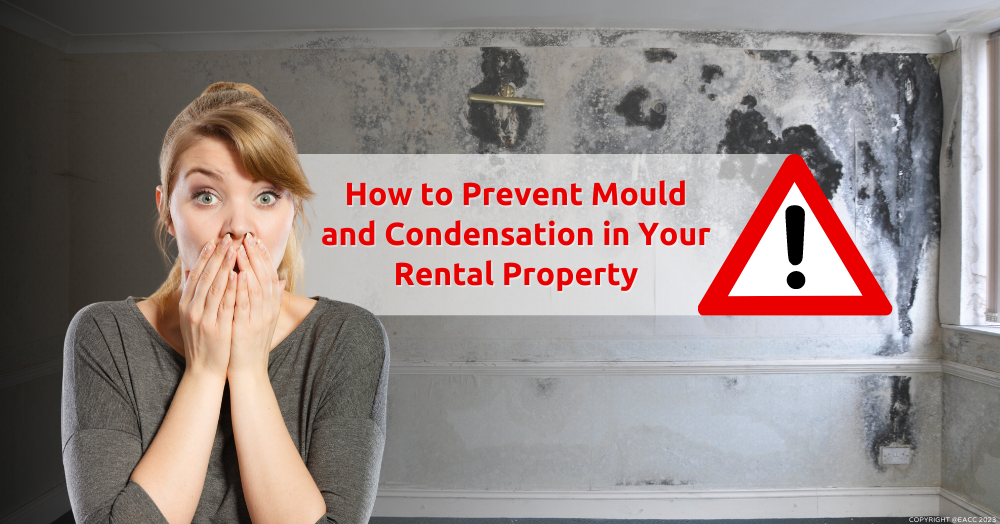
The two are often bundled together because if you’ve got condensation, there’s a good chance it won’t be long before you’re battling mould.

Condensation can be caused by warm air hitting cold surfaces or by lots of humidity in the air. The air cools and droplets form, creating a damp environment – and a perfect breeding ground for mould.

Mould grows in black, green or brown spots. It’s most commonly found in bathrooms and kitchens but can thrive in any damp or humid location.

Responsibilities

Both landlords and tenants have roles to play in preventing and tackling mould.

The landlord must ensure there are no structural or maintenance issues that could cause mould and remove mould impacting a tenant’s health and safety.

Tenants should keep the property clean and adequately ventilated and report signs of mould to the landlord.

If the cause of mould isn’t structural, it could be down to tenant behaviour (more on this further down).

It’s important to look for constructive solutions to resolve the issue rather than getting involved in a finger-pointing exercise.

Steps a landlord can take

A dry home with lots of fresh air is the best weapon against mould. To achieve this, you should:

  • Ensure the property is well-ventilated.
  • Check the heating is working well.
  • Insulate the property.
  • Look for signs of mould during regular inspections and ensure extractor fans are working.
  • Promptly repair issues such as leaky plumbing and guttering, missing roof tiles and damage to the damp-proof course.
  • Regularly clear out gutters and drains.
  • Act quickly if mould appears. Remove it and apply anti-mould paint.
  • Discuss the issue with tenants to raise awareness.

How tenants can help

Ask tenants to:

  • Avoid hanging clothes to dry indoors with the windows closed.
  • Leave a gap between furniture and walls of at least 10cm so the air can circulate.
  • Open windows regularly.
  • Use the extractor fan when cooking and showering.
  • Wipe down wet surfaces such as shower screens and curtains.
  • Close the kitchen door when cooking to stop moist air moving to other parts of the property.
  • Report signs of mould and any necessary repairs to the landlord or letting agent.

For more advice about managing your rental property, contact us today.


Posted on

Five Priorities South Devon Landlords Need to Know

landlord

As a landlord in 2023, it’s fair to say there are a lot of challenges on the horizon. From changes to rental rules, tax upheaval, mortgage mayhem… it’s all going on.

But the first thing to remember is your tenants and their experience of your property. It’s all too easy to move new people into your vacant rental and forget about them until a problem arises. So why not try and make the tenancy run as smoothly as possible from the outset?

In this three-minute read, we look at five priorities a landlord should consider.

  • Create a property welcome pack

It costs virtually nothing apart from time and a little bit of patience, but so many landlords don’t bother to provide the basic information a tenant needs to improve their tenancy period.

A welcome pack could contain the following:

  • Landlord and agent contact details
  • Where to find instruction manuals
  • Location of electric/gas meters
  • How to work the thermostat
  • Tenant’s responsibilities
  • What to do in the event of an emergency

You may have the information already, but putting it in one place positions you as a mindful and helpful landlord. Type it out, laminate it and make sure it’s in a place where the tenant can find it. Once done, it will also benefit future tenants.

  • Improve energy efficiency

For most landlords, getting a vacant property let is the main priority. But why not use short vacant periods to start some energy efficiency improvements? Get the boiler serviced, make sure all the lightbulbs are energy-saving ones and check the condition of floor/loft insulation.

  • Get informed

There are numerous legal reforms happening which will affect private rentals – tax changes, eviction notice reforms, pet-friendly tenancies and so on. Make sure you’re up to date and know what’s going on so it doesn’t come as a surprise later. Being informed and prepared should be a priority for all landlords.

  • Mortgage check

When does your mortgage deal end? Are you on a fixed or variable buy-to-let deal? It’s essential you know the answers to these questions so you can prepare yourself for getting a new deal when the time comes. Get in touch with a mortgage broker if you’re nearing the end of a mortgage deal so you can see what’s available.

  • Communicate

Whether it’s with your tenant or your managing agent, clear communication should be a priority for all landlords. While you don’t have to engage in weekly chats with your tenants, checking in with them periodically is a great way to keep on top of things such as repairs and maintenance and to avoid any unexpected issues or call-outs out of hours.

A short text or email to ask how it’s all going is non-intrusive yet shows willingness to set things right if needed.

Are you looking to let a vacant property? Get in touch with our team at Chamberlains.


Posted on

Why are landlords increasing rent?

rents

You can’t open a newspaper (or app) without seeing something about the UK rental market. Whether it’s the increase in demand for property, changes to rent rules or landlords selling up – rentals are getting a lot of attention.

And one matter that is causing a lot of controversy is the issue of rising rent. In a cost-of-living crisis, the increase in monthly rent is understandably worrisome for tenants, but are landlords really to blame?

Owning investment property is a business, and for many full-time landlords, it’s their sole source of income. The same applies to one-off or accidental landlords, and with the economy in flux, price changes are inevitable.

In this two-minute read, we explore three reasons rents are going up and why landlords aren’t just profiting off a volatile rental market.

  • Mortgage rates

As interest rates go up, the mortgage market goes the same way. And just as residential mortgages get more expensive, so do buy-to-let mortgages. Landlords are facing the same issues as residential owners – their monthly payments have increased.

While many people think that owning a rental is an easy way to rake in cash, it’s a business model that only creates profit if the rental income covers the mortgage payment and there’s money left over. If mortgage payments are going up, then rising rents may reflect a landlord’s increase in costs.

  • Changes to tax rules

Without getting into the nitty gritty of UK tax law, over the last few years, there have been lots of changes introduced which impact landlords. This includes the amount they can claim in expenses and how much tax they pay. These changes have not only caused many landlords to sell their rental properties but may have also forced rent increases to meet financial obligations.

  • Increased costs of repairs and maintenance

Landlords often pay for the upkeep of their properties through their rental income, and the following issues could be affecting the rent they charge:

  • A general increase in the cost of labour and materials, fixtures and furnishings.
  • With purpose-built flats, owners often have to pay service charges or ground rents to the freeholder, many of which have increased due to the rising energy costs. Communal heating, lighting and refuse collection will currently be more expensive.
  • In the next few years, all rental properties must meet an increased level of energy efficiency, so many landlords will have to undertake major works, which again, could impact rent.

If you’re a landlord looking to rent out a property or a tenant looking for a new home, contact Chamberlains. Our lettings team is ready to help.