
Posted on

Support Your Local Charities This Winter

charity

The month of December is filled with fun, festivities and food for most of us, yet for many others it is cold and lonely. And in the current cost of living crisis, it can feel more overwhelming than ever.

Charitable donations in the winter months are essential. By making a small contribution, you could make a huge difference to individuals and families facing an otherwise bleak winter.

In this quick read, we look at how you can help.  

Food

If you want to donate locally, then foodbanks are always looking for donations. More and more people are coming to rely on foodbanks to provide for their families. And this winter, with the high energy costs, for many it can often be a choice between heating a home or missing a meal.

Food parcels offer people staples such as rice, pasta, tea, coffee and cereal. They can also contain cleaning products and toiletries. Avoid donating perishable items such as fresh fruit and veg, milk and homemade foods. Pick up a few extras during your grocery shop and drop them at collection points which can be found at supermarkets or community hubs, such as libraries.

While you may be tempted to donate seasonal items such as mince pies or Christmas cakes, it’s best to check with your local foodbank to see what is really needed.

Check out The Trussell Trust to find your nearest foodbank.

Winter essentials

For people experiencing homelessness, low-income families, or vulnerable people, having the right clothes and bedding is imperative.

Homeless charities will need additional coats, gloves, scarves, hats and other items of winter wear to support their clients. Bedding items such as waterproof sleeping bags, blankets and pillows are also needed.

If you’d like to make cash donations, check out charities such as Shelter or St Mungo’s. To sponsor a room for the winter, check out this Centrepoint campaign.

Many local charities that support families would appreciate warm children’s clothing, toys and games. Look at Home Start which has branches all over the country.

Your time

Charities need people, and your time is one of the most underestimated ways to offer support, yet is so important. Whether you want to do something hands-on such as volunteering at a foodbank or kitchen, hold a Christmas-themed fundraiser or offer a few hours talking on the telephone, your help is invaluable.

Charities such as Age UK work to support elderly people experiencing isolation and loneliness. You can offer 30 minutes a week to their telephone friendship service. Just having someone to talk to or a call to look forward to can provide a huge emotional boost to someone who spends their days totally alone.




Posted on

Crimbo Craft Ideas for You and the Kids

christmas

There are just a few weeks until Christmas and even less until the kids break up for their winter holidays, so it’s the perfect time to get creative and decorate your home with some Crimbo-themed crafts.

Forget last year’s tatty tinsel and dodgy fairy lights; it’s time to channel your inner elf and turn your front room into a festive wonderland (and keep the kids busy while you’re at it).

In this quick read, we’ve pulled some cracking craft ideas out of our Santa hats to get you and your loved ones in the mood for a cosy and cost-effective Christmas. 

Snowpeople 

What you’ll need:

– Cotton wool

– Glue

– Paper or cardboard

– Scissors

– Felt tip pens

– Coloured tissue paper or felt

Check your bathroom cupboards, it’s likely you’ve got an unused bag of cotton wool lurking around. So, get the kids to create some wintry wall art. Draw two circles on a piece of card for the snowperson’s head and body, and cut out. Glue cotton wool over the head and body, and hey presto, you’ve got a snowperson. Use bits of felt or tissue for the facial features, the scarf and buttons. Easy-peasy.

Tip: You can create a fluffy Father Christmas beard with cotton wool and draw/stick bits and pieces on his face, too. And if you’ve got some paper plates lying around, you can use these for faces or stick two together for a snowman/woman. 

Homemade cards

Save some pounds by getting the kids to make Christmas cards. After all, who doesn’t love the personal touch? Draw, stick, paint, it all works and keeps the little ones occupied while you enjoy a coffee (and get ready for the tidy-up afterwards).

To make the cards extra special, cut out some photographs of the kids that they can stick on and send to friends and relatives.

Festive hats 

What you’ll need:

– Coloured paper

– Scissors

– Glue

– Sequins/felt to decorate

Christmas hats are easy to make and are a great addition to a family s-ELFie (see what we did there?). Use brightly coloured paper to create a cone shape and stick the edges together with glue or tape. Add some cut-out ears for elf hats or some fluffy cotton wool for a Santa hat. Decorate with sequins or felt tip pens to add extra pizzazz.


Posted on

How to Make Your Teignbridge Property Stand Out to Buyers

home improvement

Whether you’re a DIY kind of person or prefer to hire a professional, home improvements are on the up.

Since the pandemic, savvy homeowners have been looking for ways to make their properties more comfortable and more desirable to future buyers.

So, what are the most popular home improvement trends?

How can you wow potential buyers with your use of space?

In this quick read, we look at some of the most popular ways to make your home more desirable to future buyers, as reported by the annual Rated People 2022 report.

  • Multifunctional spaces

Using a room for multiple purposes was one of the key trends that came out of lockdown and is important for future buyers. People added bars and gyms to their homes at an average cost of £14,000, while open plan spaces were divided into usable zones for all the family.

Buyers love to see how a space can be used, as it helps them imagine how they can live in a new home.

  • Garden revamp

Gardening is cool. Especially since 2020, and people have been making big investments into their outdoor spaces during and after the pandemic. Al fresco dining areas and garden landscaping have become more popular over the last few years, along with summer houses and conservatories.

Top tip: An easy way to make your garden more attractive to buyers is by creating a living wall (or green wall). While there are some quite technical living wall irrigation systems that require professional installation, you can keep it simple (and budget-friendly) by installing vertical planters or grow bags.

  • Home office

Working from home became a huge challenge for many people in 2020, so it’s easy to see why home offices are now something many buyers are interested in for their future properties.

Whether it’s converting the box room into a usable office or investing in drop-down desks, showing buyers how and where they can work is a great way to boost a property’s desirability.

  • Eco improvements

As the energy crisis continues, many people have invested in energy-friendly home improvements to save on bills and attract buyers. The Rated People report found a massive 419% increase in demand for roof insulation and a 404% jump in demand for electric car charging points. Heat pumps and new windows have also seen a rise in popularity.

Buyers love eco-friendly improvements as it may mean cheaper, green mortgages, which immediately make a property more attractive.

If you’re looking to sell your property, get in touch with our team at Chamberlains.


Posted on

Six DIY Tips That Will Save You Money on Your Energy Bills

energy

With winter around the corner, there’s still time to make changes at home to minimise your energy usage and save on your bills.

There’s no getting around it: we’ll all be paying more for our energy this winter. But by making a few simple changes at home, you can trim back your energy usage.

While much of the energy-saving advice that has been dished out so far relates to behavioural change – things like using your boiler less and turning off the lights – there are also some DIY measures that can help.

And the good news is that these energy efficiency changes will also cut your carbon footprint and save you money for years to come.

Six energy-saving DIY tips

  • Install a water-efficient shower head in your bathroom. This step could reduce your hot water consumption by up to 50%, meaning you use less energy and water. Win-win.
  • If you haven’t already replaced standard bulbs with LEDs, now’s the time. LEDs use 75% less energy than old-fashioned bulbs.
  • Bleed your radiators. It’s best to do this at least once a year to ensure no air is trapped inside, as these air bubbles stop radiators from working efficiently.
  • Install thermostatic radiator valves on all your radiators so that you can adjust the temperature in each room. This is especially useful if you work from home and only need one or two rooms to be warm during the day.
  • Insulate your hot water tank by fitting a cylinder jacket (these are widely available at DIY stores). British Gas suggests that without one, your hot water cylinder could lose up to 75% of its heat.
  • Stop warm air escaping under doors by investing in a few draught excluders (like the ones your granny used to have). Other draughtproofing products on the market include self-adhesive foam strips that you apply around windows and letterbox brush strips that stop the heat from escaping from your letterbox.

For more information and support

Several grants and one-off payments have been made available to assist those struggling with bills. To ensure you’re claiming all you’re entitled to, visit citizensadvice.org.uk.

From all of us here at Chamberlains, thanks for reading.

Posted on

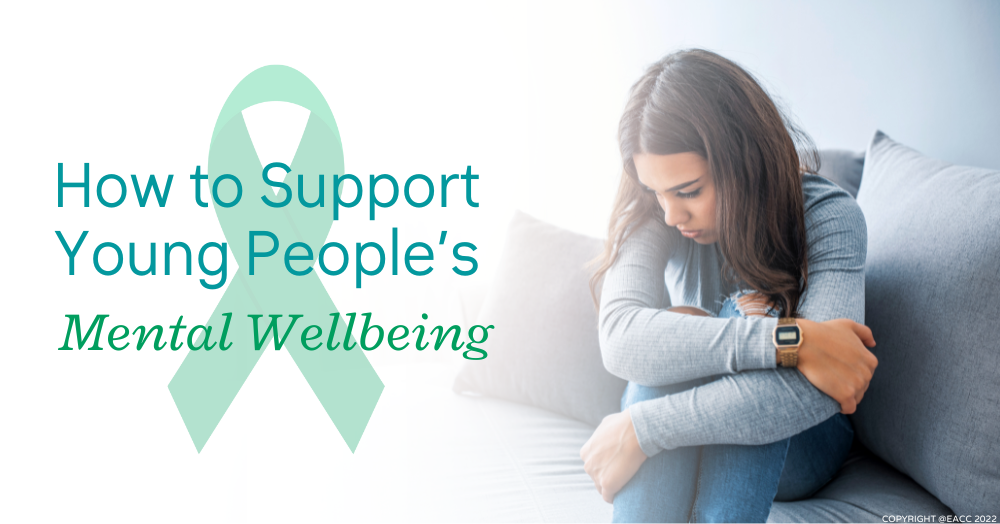
How to Support Young People’s Mental Wellbeing

Mental health used to be taboo, but thankfully, nowadays it’s more open for discussion. But while we’re all more aware of it, are we doing enough to help and empower young people who may be experiencing problems?

September 19th marks Youth Mental Health Day (YMHD), an initiative to raise awareness and understanding around mental wellbeing and to encourage young people to live happy, healthy lives.

Studies by the charity behind YMHD, Stem 4, have found that six in ten young people experience mental health difficulties, such as low mood, anxiety and self-harm. Worryingly, one-sixth of five to sixteen-year-olds have diagnosable mental health conditions.

In this quick read, we look at ways you can support your children, family members or friends with their mental wellbeing.

Meaningful relationships

This year, YMHD’s theme is about meaningful connections and encourages young people to try and make healthy, strong relationships rather than fleeting, superficial friendships.

Talk to young people about the people in their lives, who they feel comfortable talking to, who they trust and so on. Encouraging positive connections can reduce feelings of loneliness and isolation.

What are unhealthy relationships?

Teaching young people about when to walk away from some friendships is a good way to make them more self-aware and to boost their emotional health. Unfortunately, some relationships can become draining or toxic, and we need to help teenagers and children understand this. Distancing themselves from people who no longer make them feel happy or put pressure on them is a skill that they can fall back on throughout their lives.

Talk about kindness and how to remove themselves from such relationships in a way that doesn’t cause stress or arguments.

How to ask for help

We all need help at some stage in our lives and it’s important for young people to understand that this is not a weakness. Talk about situations when they feel like they need help or someone to listen to them to reduce the stigma around mental health.

Social media

As much as we all enjoy a nose around social media, for young teenagers who have never known life without it, their online world can cause stress and anxiety. Social media is a minefield where teens are exposed to things such as heavily filtered images, inappropriate or explicit content, online bullying, trolls and much more.

Make them aware that social media is what people want you to see rather than reality. Encourage them to take a break from being online, ask to see their social media profiles and posts. Be open about social media and its pitfalls while understanding how important it is to their generation.

Let’s all try to make a difference for our children. Share your tips below for supporting young people with their mental health.