

Posted on

How Teignbridge Home Sellers Can Spot Unethical Estate Agent Tactics

Selling your home is a significant life event, and the last thing you want is to be misled by the unscrupulous practices of a minority of estate agents.

These agents and their actions give the industry a bad name.

We’ve no time for them, and neither should you.

The good news is we’re about to shine a light on some of those practices so you can look out for them and act to avoid agents who use them.


Teignbridge homeowners deserve transparency and fairness when selling or buying a new home.

Here are some dodgy practices you need to be aware of to protect your interests.


Overvaluations: The high price of false hopes

Some agents might tempt you with inflated property valuations to secure your business. The risk? Your home languishes on the market, and you’re later pressured into selling at a lower price. Always seek a second opinion and choose an agent with a track record of accurate, market-reflective and evidence-based valuations.


Invented viewings and spurious offers: Your right to reality

Fake viewings and offers are not just unethical – they could deter genuine buyers and skew your perception of the market. Demand transparency from your agent and ask for documented feedback and evidence of offers.


Unfair contracts: Know where the exit is

Be VERY wary of long, restrictive contracts. They can tie you to an agent who isn’t acting in your best interests. Before signing, be crystal clear about the duration, your cancellation rights and any withdrawal penalties.


Preferred investors: Ensuring YOU get the best deal

Some unscrupulous agents have arrangements with ‘preferred investors’, which can mean you don’t get the best possible price for your home. The investor may get a quick deal, but you often get a much lower price. Insist that your agent markets your property widely to attract a range of potential buyers, ensuring competitive offers.


Your home, your choice

We believe selling your home should be a positive and profitable experience.

By staying informed and choosing an agent who values ethical practices, you safeguard your financial investment and the trust vital in any home seller-agent relationship.

When it comes to selling your home, please don’t settle for anything less than an ethical agent who answers how they address the points raised in this article.


If you have any questions, please contact us today – we’re here to help.
Posted on

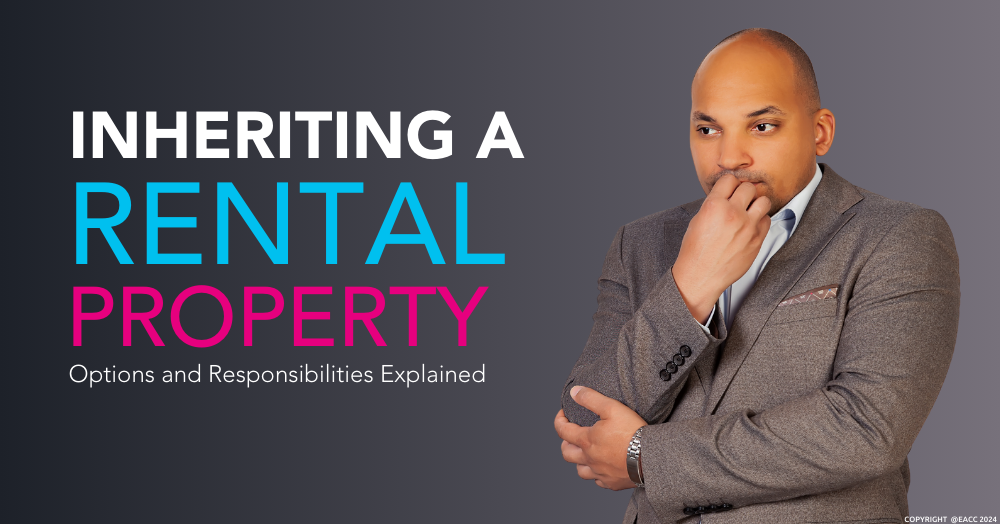
Inherited a Rental Property in Teignbridge? Here Are Your Options


If you’ve just inherited a rental property, then you may be wondering what your options are.


While you won’t need to make any decisions on the spot (it usually takes many months to settle an estate), it’s good to start thinking about the issues you’ll have to address in time.


The first is what you intend to do with the property. Assuming you don’t want to move in yourself, your options are to:

  • Continue to rent the property out. That way, you’ll earn a monthly income and have a long-term investment that you could later pass on to your family.
  • Sell the property and use the funds to pay debts, invest or spend how you wish.


Let’s look at what each scenario involves.


Renting out an inherited property


It’s important to understand that there’s more to being a landlord than simply collecting monthly rent.


You must follow hundreds of rules and regulations and ensure your tenants have a safe place to live.


Don’t be intimidated by this. Many accidental landlords – that’s the term for people who become landlords through circumstance rather than design – go on to stay in the private rental sector long term.


But especially in the early days, they get a letting agent to manage their property instead of jumping in at the deep end and drowning in red tape. Having an experienced professional onside to help you learn the ropes can be a lifesaver.


A good letting agent will explain how to inform your tenants that you’re the new owner. (You can’t turn up onsite unannounced.)


They’ll also advise you about landlord insurance, maintenance and buy-to-let mortgages (if applicable).


Selling the property


If you choose to sell, you must decide whether to proceed with the tenants in situ or with the property as a vacant possession*.


There are pros and cons to each of these options.


Conducting viewings can be more complicated with tenants in the property. You need to notify them 24 hours in advance of a viewing, and they can refuse.


And some buyers prefer a vacant property so they can move in on day one without any restrictions.


However, a tenanted property can be an appealing prospect for a landlord looking to expand their portfolio, especially if the tenant is long-standing and reliable.


Also, it means you can proceed with the sale faster as you don’t have to navigate the eviction process.


Don’t rush your sale


You may be tempted to offload to a quick-buy company that offers to take the property off your hands with little fuss.


Be aware that if you go down this route, you’ll most likely get far less than you would by going with a traditional estate agent. While you may feel tired and emotional right now, you might regret short-changing yourself later.


Tax implications


Whether you opt to keep or sell the property, speak to a good accountant or financial adviser.


They’ll explain the inheritance and capital gains tax implications of your decision. And if you rent the property, they can also advise on the most tax-efficient strategies regarding income tax.


If you’ve just become an accidental landlord, contact us here at Chamberlains. We’re here to help.


*Note: You must follow strict procedures to evict the tenants; these rules also apply if you plan to move into the property yourself.