

Posted on

Should You Sell Your South Devon Home to a Friend?

If you’re selling a property, you might think that selling to one of your nearest and dearest is the answer. After all, they know what they’re buying, you’ll save on professional fees, and the home you love will be left in good hands.

But is it really that simple? Unfortunately, no.

In this quick read, we look at some of the things that could go (very) wrong if you’re thinking about selling to a family member or friend.

Why sell to family/friends?

There are plenty of reasons for selling to family or friends. Perhaps you want to help a child get onto the property ladder, or you want to keep the property in the family for future generations. Maybe you think you can avoid costs associated with selling a property on the wider market, or maybe you just want to help someone out financially. Whatever the thought process, be prepared for possible fall-outs.

Selling privately

If you think selling your property without an agent is the way to go, you may want to think again. Yes, you will save money on agency fees, and you won’t have the hassle of viewings. But, on the other side of the coin, you might not be getting the best price for your home by selling to someone you know, as there’ll be no other offers.

Without the professional expertise or marketing skills of an established agent, you’ll never know what you could have got on the open market.

Tax implications

Did you know, it’s perfectly legal to sell your home to a loved one for just £1? Something lots of people have done in the past to help younger generations out. However, this act of kindness comes with huge tax implications for both the seller and buyer.

Without diving into the ins and outs of UK tax laws, it is definitely an area that needs careful research if you decide to sell to someone you know to avoid the wrath of HMRC.

Fall-out

With any property sale, there’s the potential for things to go wrong. Add a personal relationship into the mix and it could make things very uncomfortable.

For example, a property survey is a must, but what happens if this turns up something you weren’t expecting? Relations could become strained if both parties can’t agree on the price.

How much do you know about your friend or loved one’s financial situation? Could you get stuck in a chain if they’re unable to sell? What about their credit history – will they be eligible for a mortgage? Just because you’re good friends doesn’t necessarily mean you’d make great business partners.

By selling through an agent, you’re removed from this part of a property purchase, and they get the answers you need without it feeling like you’re prying.

If you’re looking to sell your property, talk to our team at Chamberlains We take on the stress and hassle, so you don’t have to.


Posted on

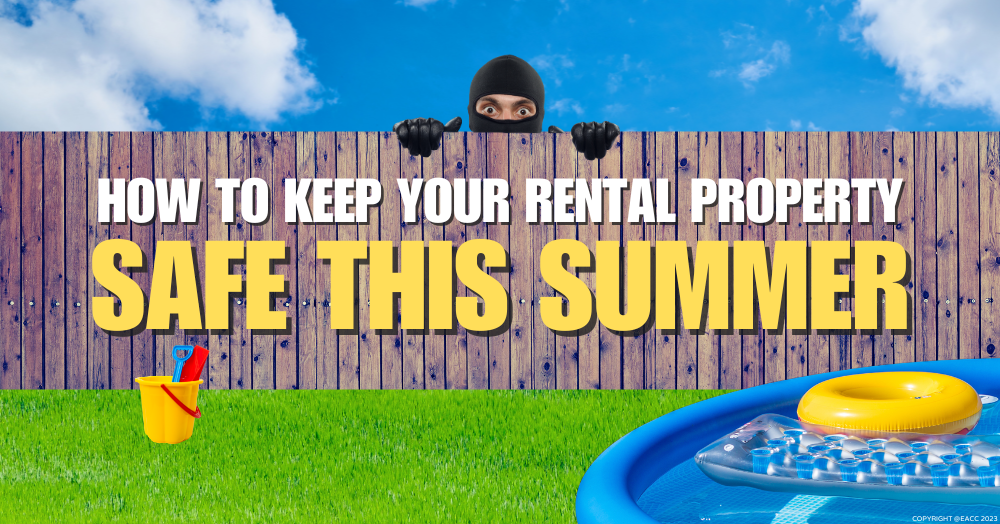
Summer Security Tips for Tenants and Landlords

It’s not just birds, bees and butterflies that come out in force in summer – unfortunately, burglars step up their activity, too.

With many people going away on holiday (leaving homes empty) and others opening their windows and doors when temperatures rise, burglary rates spike in summer.

So, how can tenants and landlords stay one step ahead of the crooks and avoid the financial and psychological cost of a break-in? The answer is to be vigilant and work together.

Tips for tenants 

  • Always check that you’ve locked all windows and doors before leaving home.
  • If the property has an alarm, use it.
  • Don’t leave expensive items such as laptops on show near windows where passers-by can see them.
  • Keep the front of the property tidy. Messy bins and piles of junk mail send the message that no one’s home.
  • If you’re going away for more than 14 days, you may need to notify your landlord (check the details of your contract).
  • Before you go away, set a few lights on timer switches so the property looks lived in.
  • Keep sheds, garages and back gates locked. Often, burglars travel empty-handed to avoid suspicion and use tools they find in sheds and garages to break in.
  • Take out contents insurance.

Tips for landlords

  • It’s your legal responsibility to provide a safe and secure property, so make sure all doors and windows lock. This includes locks on sheds and garages.
  • Consider installing security measures such as deadbolts, door chains, peepholes, motion sensor lights, video camera doorbells and alarms.
  • Keep trees well-pruned so they don’t provide cover for burglars.
  • Check your comprehensive landlord insurance is up to date. Schedule in your diary when it’s due for renewal.
  • Consider spreading gravel/pebbles at the front of your house and installing a gate. Anything that makes a noise when you enter a property can put burglars off.

And if the worst happens

In the unfortunate event of a burglary, the tenant should call the police and then the landlord or letting agent.

The landlord should act swiftly to secure the property and repair any damage.

When dealing with the aftermath of a burglary, always refer to the contract you’ve signed.

Generally*, the landlord is responsible for repairing damage to the building, such as broken windows or doors, and replacing items included in the property agreement (unless it can be shown the tenant was negligent).

The tenant should claim for the loss of personal items on their insurance. 

Contact us here at Chamberlains today to learn about our property management services.


*Disclaimer

The contents of this article should be used as a general guide and do not constitute legal advice.